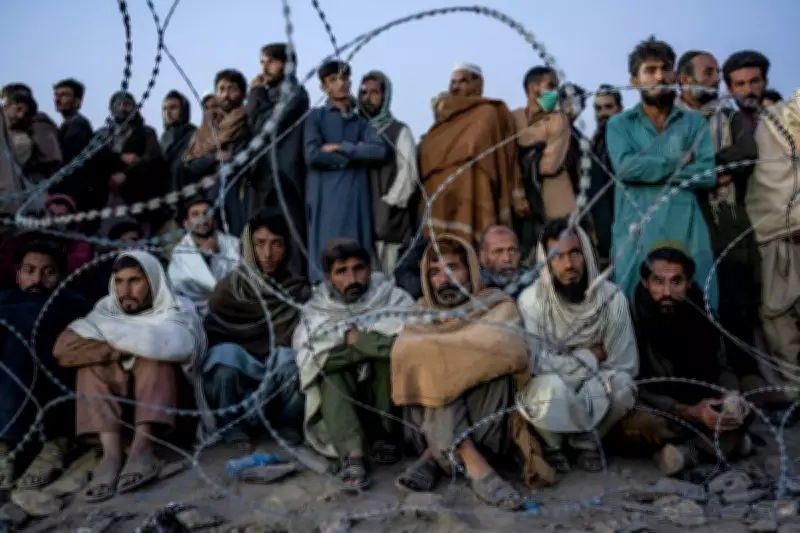
UN Warns Afghanistan Nears Brink as Millions of Afghans Return from Pakistan and Iran
The United Nations refugee agency has issued a stark warning that the return of millions of Afghans from neighboring Pakistan and Iran is pushing Afghanistan to the brink of collapse. In a briefing on Friday, UNHCR's Afghanistan representative Arafat Jamal described an unprecedented scale of returns, highlighting the severe strain on the country's already fragile infrastructure and resources.
Unprecedented Scale of Returns
A total of 5.4 million people have returned to Afghanistan since October 2023, with the majority coming from Pakistan and Iran. Jamal, speaking via video link from Kabul to a UN briefing in Geneva, emphasized the massive and rapid nature of these returns. "This is massive, and the speed and scale of these returns has pushed Afghanistan nearly to the brink," he stated, noting that last year alone saw 2.9 million returns, which he described as "the largest number of returns that we have witnessed to any single country."
Crackdowns in Neighboring Countries
The influx stems from crackdowns in Pakistan and Iran. Pakistan launched a sweeping operation in October 2023 to expel migrants without documentation, urging voluntary departure to avoid arrest and forcibly deporting others. Iran began similar measures around the same time. This has led to millions streaming across the border into Afghanistan, including individuals who were born in Pakistan decades ago and had established lives and businesses there.

Strain on Afghanistan's Resources
Afghanistan, already grappling with a dire humanitarian situation and poor human rights record—particularly concerning women and girls—faces severe pressure from the influx, which amounts to 12% of its population. Jamal pointed out that the returns have strained resources in a nation struggling with a weak economy, severe drought, and two devastating earthquakes. Afghan authorities provide care packages with food aid, cash, SIM cards, and transportation, but this is insufficient to meet the overwhelming need.
Humanitarian Crisis Deepens
The situation has forced many families into desperate measures. In November, the UN development program reported that nine out of ten families in high-return areas resort to negative coping mechanisms, such as skipping meals, falling into debt, or selling belongings to survive. Jamal expressed deep concern about the sustainability of these returns, noting that while 5% of returnees plan to leave Afghanistan again, over 10% know someone who has already departed. "These decisions, I would underscore, to undertake dangerous journeys, are not driven by a lack of a desire to remain in the country, on the contrary, but the reality that many are unable to rebuild their viable and dignified lives," he explained.
Ongoing Challenges and Future Outlook
Already in just the first month and a half of this year, about 150,000 people have returned, exacerbating the crisis. Afghanistan's Taliban rulers have criticized the mass expulsions, but the international community remains alarmed by the escalating humanitarian disaster. The UN's warning underscores the urgent need for coordinated global action to support Afghanistan and prevent further destabilization in the region.