Zimbabwe's Mwenezi District Struggles a Year After Trump's Aid Cuts
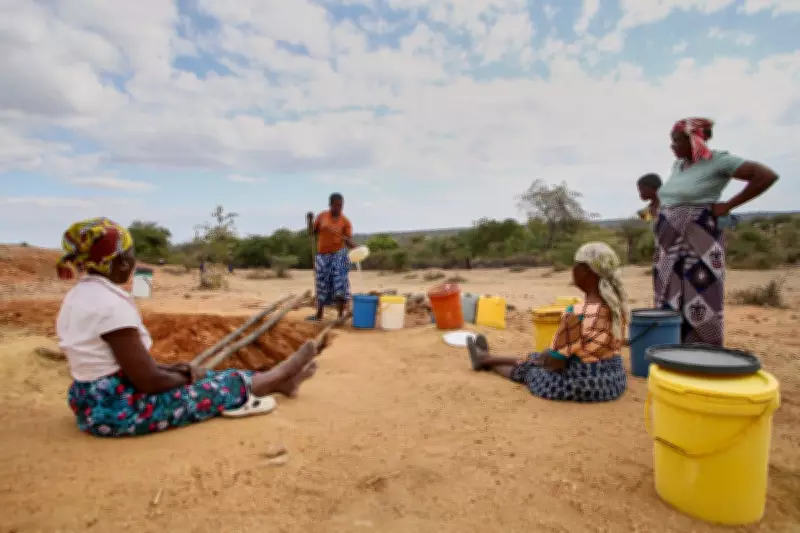
In the parched Mwenezi district of Zimbabwe, families are grappling with severe hardships one year after former US President Donald Trump's administration slashed aid funding. Ravaged by persistent drought and the climate crisis, this impoverished region in Masvingo province faces escalating hunger and desperation, with the United Nations World Food Programme (WFP) reporting that 1.5 million people across Zimbabwe are at risk of starvation.
Families Forced into Tough Choices
Virginia Sibanda, a resident of Mwenezi, voices deep fears for her 17-year-old daughter's future. With USAID agricultural support and food assistance abruptly terminated, Sibanda's family now survives on just one meal a day. The little money once allocated for school fees has been redirected to basic survival, forcing her daughter to drop out of education.
"Every day I worry that my daughter will fall pregnant for one of these gold-panners or be enticed by elderly men with money," Sibanda explains. Gold-panners, who have descended on the nearby Runde River, flash cash to lure young girls into sexual relationships, exacerbating social tensions in a community already strained by poverty.

Dropping her children out of school was a painful but necessary decision for Sibanda, who often stays awake at night, tears welling up as she ponders their bleak prospects. "There are no jobs; there is nothing to talk about regarding employment," she adds, highlighting the dire economic situation.
Impact of Aid Cuts on Livelihoods
International development and humanitarian financing from the United States, primarily through USAID, had been pivotal in providing food aid and supporting income-generating projects in Zimbabwe. These interventions were crucial for resilience and adaptation as climate impacts became more frequent and disruptive.
However, after the Trump administration essentially shut down USAID last year, communities like Mwenezi have been hammered hard. Amos Batisayi, who worked with the Mwenezi District Training Center (MDTC), a local NGO, describes how USAID funding previously supported borehole drilling for water access, vocational training for unemployed youths, and income-generating projects in remote areas such as Chiredzi.
"Now all these programmes have stopped, and villagers can no longer generate income. I can't imagine what they are going through," Batisayi says. For instance, Silence Ncube from Ramadhaka Village benefited from USAID-funded vocational training as a bricklayer, but her livelihood ground to a halt when funding ceased.
Broader Regional Consequences
The crisis extends beyond Zimbabwe. In neighbouring Malawi, Sekai Mudonhi, Malawi country representative for Catholic Relief Services (CRS), reports that aid cuts have intensified vulnerability and poverty. "Agriculture programmes have been affected, leading to increased food insecurity and poverty," she notes. CRS, funded by USAID and other donors, had taught farmers new techniques to adapt to climate change and provided cash transfers after climate shocks like cyclones and droughts.
Matthias Spaeth, Zimbabwe country director for Welt Hunger Hilfe, warns that the problem is broader than USAID, with countries like the UK also reducing funding. He fears that cuts are occurring when communities are in dire need, prompting NGOs to shift from competition to collaboration in sharing resources and skills.
Hope Amid Desperation
Back in Mwenezi, Sibanda clings to hope that UN agencies or other donors might return with food rations. "If we get assistance with food, we can have the energy to pan for gold or engage in farming," she says, referencing the skyrocketing price of gold on international markets. Yet, with WFP stretched for resources—planning to assist only 200,000 people instead of 538,000 in Zimbabwe this season—immediate relief remains uncertain.
As families in Zimbabwe and across Southern Africa struggle to move on with life, the aftermath of Trump's aid cuts underscores the critical role of international support in mitigating climate-induced poverty and safeguarding vulnerable communities.