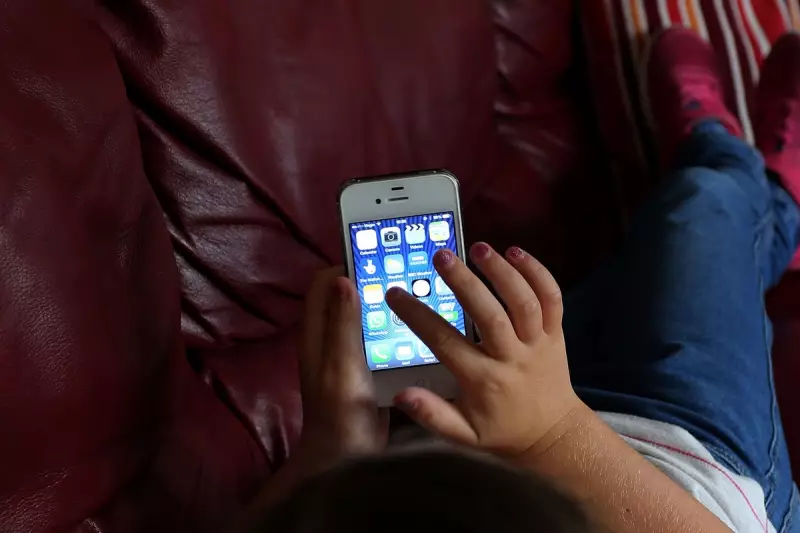
The UK government is set to publish its first-ever official guidance on screen time for children under five, in a direct response to mounting concerns about the impact on early childhood development. The guidance, scheduled for release in April 2026, aims to support parents in managing their children's exposure to devices like tablets, mobiles, and televisions.
Alarming Statistics Prompt Government Action
Education Secretary Bridget Phillipson revealed the startling figure that around 98 per cent of two-year-olds are already using screens daily. She cited observations from educators, parents, and nursery workers who report children are finding it increasingly difficult to hold conversations, focus, and engage in learning when they start nursery or school.
The move follows new government research establishing a clear link between higher screen use in children under two and poorer language development. The study found a stark contrast: toddlers with approximately five hours of daily screen time could say significantly fewer words than their peers who watched screens for around 44 minutes per day.

A Collaborative Approach Shaped by Parents
Ms Phillipson emphasised that the guidance would be "shaped by parents, not dictated to them." A national working group, led by Children’s Commissioner for England Dame Rachel de Souza and Department for Education scientific adviser Professor Russell Viner, will oversee the process. Parents, children, and early years practitioners will all contribute their views.
In a piece for the Sunday Times, the Education Secretary acknowledged the realities of modern parenting, stating: “Like so many parents, I’ve had evenings where you give in when your little one wants ‘just one more’ episode of their favourite show. But we’re beginning to see the risks when ‘just one more’ starts to add up.”
Practical Advice and Healthy Alternatives
The guidance will not seek to eliminate screen use entirely but to promote a healthier balance. “Screens are not going anywhere, so let’s use them well,” Ms Phillipson said, suggesting shared activities like reading a story on a tablet or using it for educational games.
The core objective is to offer clear, practical advice on how screens can fit alongside vital early years activities such as talking, playing, and reading together. A key component will be helping families devise engaging alternatives to screen time for their young children.
The terms of reference for the working group will be published imminently, with engagement sessions planned over the coming weeks to finalise the guidance's content.