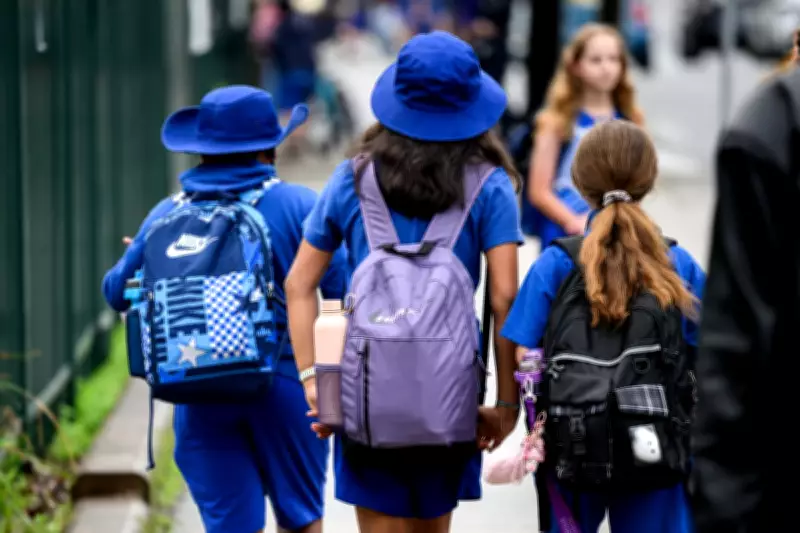
Australian Public School Enrolments Hit Record Lows Amid Funding Crisis
Enrolments in Australian public schools have plummeted to unprecedented levels, according to recent data, with experts attributing the decline to chronic underfunding and resource deficiencies. This trend has sparked widespread alarm among educators, policymakers, and parents, who fear it could exacerbate educational inequalities across the nation.
Funding Shortfalls Drive the Decline
The drop in public school enrolments is closely linked to insufficient government funding, which has left many institutions struggling to maintain basic facilities, hire qualified staff, and provide essential learning materials. As a result, families are increasingly opting for private or independent schools, perceived as better-resourced alternatives. This shift threatens to undermine the foundational role of public education in promoting social mobility and equal opportunity.
Reports indicate that funding gaps have widened over recent years, with public schools receiving less per student compared to their private counterparts. This disparity has led to overcrowded classrooms, outdated technology, and reduced extracurricular offerings, further diminishing the appeal of public education. Stakeholders argue that without immediate intervention, the enrolment decline could become irreversible, impacting Australia's long-term educational outcomes and economic competitiveness.

Implications for Educational Equity and Policy
The enrolment downturn raises critical questions about educational equity, as public schools traditionally serve a diverse student population, including those from disadvantaged backgrounds. A sustained decline could deepen social divides, limiting access to quality education for vulnerable groups. Additionally, the trend places pressure on state and federal governments to reassess funding models and implement reforms aimed at revitalising the public education sector.
In response, advocacy groups are calling for increased investment in public schools, alongside policy measures to address resource allocation and improve infrastructure. Some suggest that targeted funding for underperforming regions and enhanced support for teachers could help reverse the enrolment slide. However, political debates over budget priorities and fiscal constraints continue to hinder progress, leaving the future of Australian public education uncertain.
As enrolments continue to fall, the urgency for comprehensive action grows, with many warning that the current trajectory could have lasting repercussions for Australia's social fabric and global standing in education.