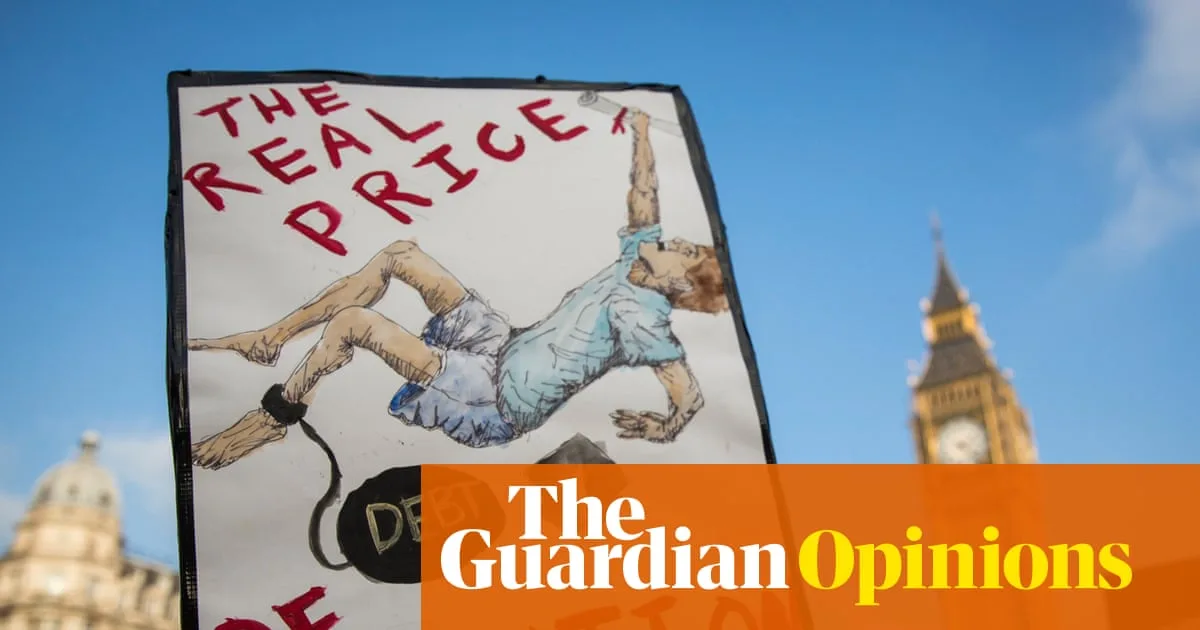
Martin Lewis Urges Graduates to Lobby MPs Over Student Loan Threshold Freeze
Lewis Urges Graduates to Lobby MPs Over Student Loans

Martin Lewis Calls for Graduate Action Over Student Loan Changes

Consumer finance expert Martin Lewis has issued a direct call to action, urging millions of graduates across England and Wales to write to their Members of Parliament in protest against Chancellor Rachel Reeves's controversial changes to student loan repayment terms. The founder of MoneySavingExpert.com has described the planned adjustments as 'not a moral thing' and has positioned himself in direct opposition to the government's policy direction.

The Core of the Disagreement

The dispute centres on what might appear to be a technical adjustment announced in last November's budget but which carries significant financial implications for approximately 5.8 million individuals. These are graduates who took out what are known as Plan 2 student loans between September 2012 and July 2023. The Chancellor's decision involves freezing the salary threshold for repayments for three years, a move that will effectively increase the financial burden on many graduates as wages rise with inflation.

Under the current system, Plan 2 graduates repay 9% of everything they earn above a specific threshold. This threshold was due to rise to £29,385 in April 2025, with subsequent annual increases expected. However, Reeves has announced it will remain frozen at that level until 2030. This freeze means that as salaries increase over time, more graduates will be pulled into repayment, and those already repaying will hand over 9% of a larger portion of their income.

Understanding the Student Loan Landscape

The UK's student finance system is notably complex, comprising tuition fee loans and maintenance loans, both accruing interest until fully repaid or written off after 30 years. The Plan 2 loans at the heart of this controversy represent the vast majority of outstanding student debt, totalling an estimated £213 billion according to the Institute for Fiscal Studies (IFS).

Many have compared the repayment mechanism to a graduate tax, as it is deducted directly from salaries through the payroll system. The interest rates on these loans are particularly contentious, being linked to the Retail Price Index (RPI) measure of inflation, which reached 8% in August 2024. Recent Guardian analysis revealed that over 2.6 million people in the UK now owe more than £50,000 in student debt, with serious concerns about how this affects their ability to save for homes and plan for the future.

Lewis's Moral Argument and Contractual Concerns

Martin Lewis has framed his opposition in both moral and legal terms. He argues that the government is 'unilaterally changing the terms' of what graduates believed was a fixed agreement. 'You tell companies they can't do that – you shouldn't do it either,' he stated in a recent interview, suggesting that such action would contravene standard consumer protection laws if undertaken by a commercial lender.

His specific message to the Chancellor was clear: 'I do not think it is a moral thing for you to do to be freezing the repayment threshold in this way ... This isn't right. Please have a rethink.' Lewis has explicitly encouraged the millions affected to contact their local MPs to express that 'this isn't on – this isn't what we were promised.'

The Government's Defence and Broader Debate

Chancellor Rachel Reeves has robustly defended the policy, emphasising fairness to taxpayers who did not attend university. She told LBC radio: 'It is not right that people who don't go to university are having to bear all the cost for others to do so.' She maintains that the system remains fair, as repayments only begin once graduates reach a sufficient earnings threshold, and any unpaid debt is eventually written off after three decades.

The Department for Education has echoed this sentiment, stating the government is making 'fair choices to make sure the student finance system is sustainable – protecting taxpayers and students.'

Quantifying the Impact and Political Ramifications

The Institute for Fiscal Studies has provided concrete figures on the financial impact. Their analysis suggests that due to the threshold freeze, millions of Plan 2 borrowers will repay an extra £93 in 2027–28, rising to an extra £259 by 2029–30. More significantly, they calculate that someone starting a course in 2022–23 will now repay approximately £3,200 more over their lifetime because of all threshold freezes announced in the budget.

The National Union of Students has warned that the freeze could leave new graduates struggling with basic living costs like food and rent. Meanwhile, a recent YouGov poll reveals a divided public: 44% of Britons believe the government should write off some or all student debt, while 41% think graduates should repay their loans as currently structured.

This issue now presents a potential political challenge for the Labour government. Campaigners and politicians will be watching closely to see if Martin Lewis's call for a grassroots letter-writing campaign gains momentum and whether discontent over student finance could influence future electoral behaviour. The debate fundamentally questions who should bear the cost of higher education and whether the current balance between graduate contribution and taxpayer subsidy is equitable.