NSW School Hate Speech Guidelines Spark Fears Over Gaza Discussion Censorship
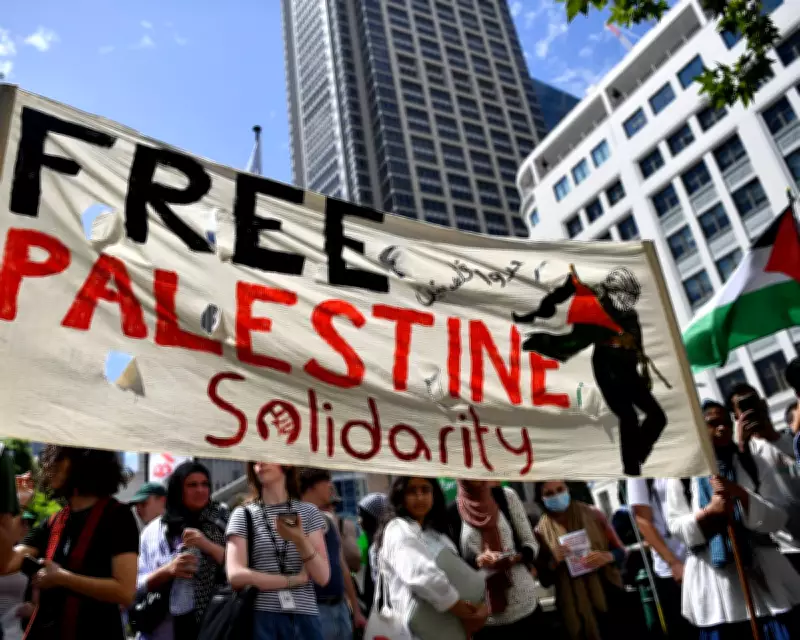
Teachers and legal experts in New South Wales are raising alarms that newly introduced hate speech guidelines could effectively silence classroom discussions about the ongoing conflict in Gaza. The guidelines, which apply immediately to over 3,000 government, independent, and Catholic schools, explicitly prohibit hate speech and make it easier to sack staff for comments made both inside and outside the classroom, including on social media.
Premier Defends Guidelines Amid Free Speech Concerns
Premier Chris Minns has stated that the new NSW Education Standards Authority (Nesa) guidelines are "not an attack on freedom of speech … or concern about Palestinians and innocent civilians in Gaza." He explained that the changes respond to cases where the government previously felt unable to take action against teachers accused of hate speech. Minns emphasised that if Nesa identifies a breach, sanctions will be applied, regardless of whether police prosecute an offence.
Critics Warn of Silencing Effect on Palestine Discussions
Timothy Roberts, president of the NSW Council for Civil Liberties and a former teacher, criticised the move, suggesting it risks being perceived as an attempt to suppress discussions on Palestine in educational settings. He argued that schools should be environments where students can ask difficult questions and teachers feel safe to address them. Roberts expressed disappointment that the premier does not share the same trust in teachers as the people of NSW.

In September, a report by the Australian Palestinian Advocacy Network highlighted that anti-Palestinian racism has become widespread in Australian schools since October 2023, particularly in NSW and Victoria. The report described a "climate of fear, censorship, intimidation and punishment" that prevents open dialogue about the war in Gaza. One staff member alleged being verbally attacked by their principal for wearing a Palestinian keffiyeh, being labelled a "terrorist" and "antisemitic" in front of colleagues.
Teachers' Advocacy Groups Voice Deep Concerns
Chris Breen, an organiser for Teachers and School Staff for Palestine NSW, described the code as a "political attack on free speech," expressing deep concern about its application. He claimed that around 200 members of the advocacy group could face dismissal for expressing support for the pro-Palestine cause, calling the legislation extreme and targeted at intimidating teachers. In response, the group has vowed to continue using the slogan "globalise the intifada," despite the state government's intention to ban it.
Legal and Implementation Challenges
The guidelines define hate speech according to section 93ZAA of the NSW Crimes Act, which criminalises inciting hatred on racial grounds. This definition has been controversial, with the NSW Law Reform Commission warning it introduces imprecision and subjectivity into criminal law. Roberts criticised this approach, stating it is "attempting to build a good house on a bad foundation."
Professor Luke McNamara, a hate speech expert at the University of NSW, argued that it would be inappropriate for Nesa to determine if a hate speech offence occurred without a prosecution. He suggested that suspected cases should be referred to the police, with courts making guilt determinations.
Government and School Responses
Deputy Premier and Education Minister Prue Car explained that following a complaint, Nesa will investigate and decide if a comment constitutes hate speech, potentially directing schools to terminate employment. Schools were informed in advance and must now update their codes of conduct, a requirement for registration.
Andy Mison, president of the Australian Secondary Principals’ Association, welcomed the policy for supporting school leaders in maintaining safe environments. He expressed confidence that, with clear guidance and professional learning, the changes should not inhibit open, respectful discussions essential for quality education.

Broader Political Context
As NSW parliament resumed, the focus remained on responses to the Bondi beach terror attack and antisemitism. The opposition proposed legislation for all universities, government agencies, and local councils to adopt the International Holocaust Remembrance Alliance definition of antisemitism, a recommendation from a July report. Universities Australia has already adopted similar definitions through collaboration with the special envoy.
This development underscores ongoing tensions between ensuring school safety and preserving academic freedom, with significant implications for how sensitive global issues are addressed in NSW classrooms.