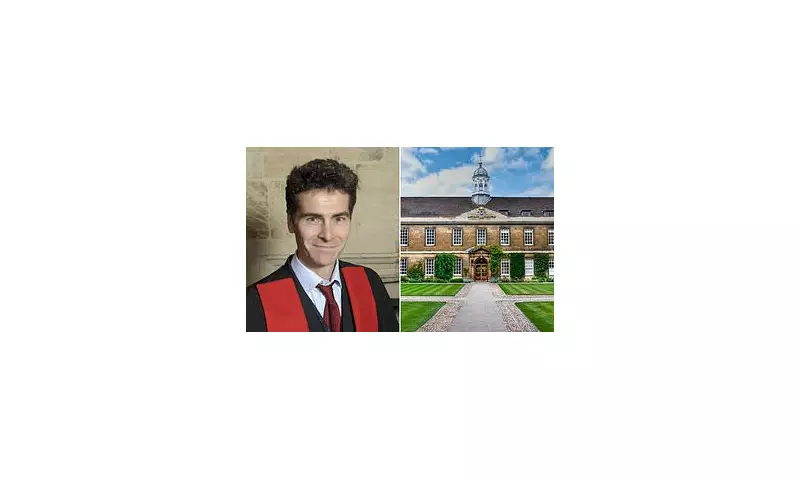
A Cambridge University college has ignited a fierce debate on educational privilege after approving a controversial plan to specifically target students from elite private schools. The move, designed to improve the 'quality' of applicants, has been condemned by staff and social mobility experts as a 'slap in the face' for state-educated pupils.
The 'Reverse Discrimination' Rationale
Fellows at Trinity Hall approved the measure last month following a proposal from the college's Director of Admissions, Dr Marcus Tomalin. In a memo seen by the Guardian, Dr Tomalin expressed concerns about 'reverse discrimination' against applicants from the independent sector. He argued that the best students from such schools arrive at Cambridge with a level of expertise and independent critical engagement that aligns with the university's historical intellectual demands.
The admissions team will now implement a 'targeted recruitment strategy' aimed at 50 private schools, largely based in southern England where annual fees often exceed £25,000. Prestigious institutions including Eton, Winchester, and St Paul's Girls' School are reported to be on the list. Students will be encouraged to apply for subjects with traditionally low applicant numbers, such as classics, modern languages, and music.

Backlash and Accusations of Elitism
The policy has provoked anger within the college and beyond. One academic described it as 'deeply alarming', while another warned it risked turning Trinity Hall back into a 'boys' club of the past'.
Social mobility expert Professor Lee Elliot Major from the University of Exeter said the move implies that state-educated students are seen as 'academically inferior'. He cautioned that the college risks 'mistaking polished performance, so often shaped by privilege, for greater raw talent'.
This controversy emerges against a backdrop of efforts by the University of Cambridge to diversify its student body. While only 6.4% of UK children are privately educated, they accounted for 29% of Cambridge's intake in 2025. Trinity Hall itself had a higher-than-average proportion of private school students in 2022 at 32%, though this fell to 26% in the most recent data.
College Defence and Access Initiatives
A spokesperson for Trinity Hall defended the initiative, stating the college remains committed to admitting the 'best and brightest students regardless of background'. They highlighted a range of existing access programmes aimed at disadvantaged students, including a residential scheme for underrepresented ethnic minorities and a STEM programme.
The spokesperson clarified that the latest strategy is 'aimed at targeted subjects to encourage students with high academic potential' from all school types, in line with the University's Access and Participation Plan. They also noted Dr Tomalin's involvement in outreach podcasts designed to demystify the Cambridge application process.
The university removed specific state school intake targets in 2024 following guidance from the Office for Students, England's higher education regulator. This latest development at Trinity Hall underscores the ongoing tension in top universities between promoting fair access and pursuing perceived academic excellence.