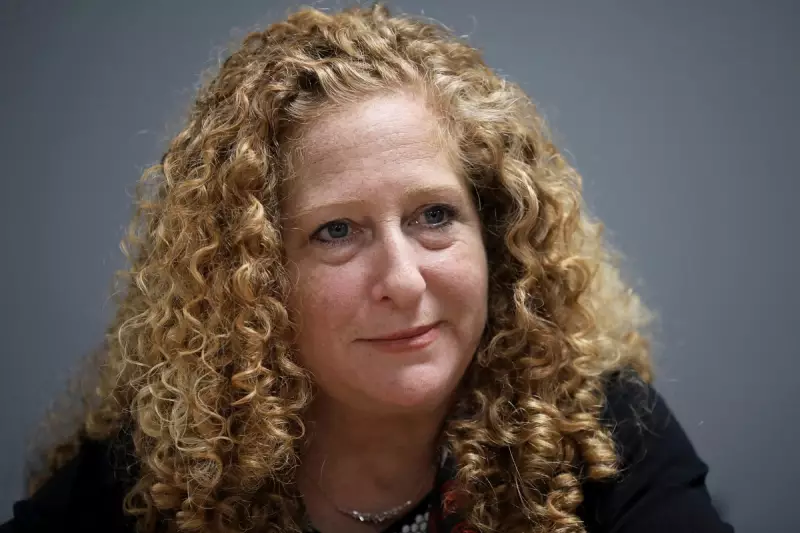
Columbia University has announced the appointment of Jennifer Mnookin, currently serving as Chancellor of the University of Wisconsin-Madison, as its next president. This strategic move comes as the prestigious Ivy League institution seeks to navigate beyond a tumultuous two-year period marked by significant campus unrest and external political pressures.
A New Leader for a University in Transition
The appointment was formally revealed on Sunday night, with Mnookin scheduled to commence her tenure on July 1. She will become Columbia's fifth leader in just four years, highlighting the instability that has characterised the university's recent governance. Her predecessor, Nemat Shafik, resigned in August 2024 amid intense scrutiny over her management of campus protests and deepening divisions within the university community.
Overcoming Years of Turmoil and Political Scrutiny
Columbia's recent challenges have been profound and multifaceted. The university faced widespread campus protests related to the Israel-Hamas war, which triggered a forceful response from the Trump administration shortly after he assumed office last year. The administration targeted Columbia as the initial focus in a broader campaign to influence how elite American universities handle protests, student admissions, and academic curricula.

Federal actions included the imprisonment of some Columbia students who participated in pro-Palestinian demonstrations in 2024 by immigration enforcement agents. In a significant financial blow, the administration cancelled $400 million in research grants allocated to the university and its affiliated hospital system, citing efforts to combat antisemitism on campus. Further threats involved withholding billions of dollars in additional government support.
Settlement Agreements and Institutional Reforms
Ultimately, Columbia negotiated a settlement with the administration, agreeing to pay over $220 million to restore the revoked research funding. The university also committed to overhauling its student disciplinary process and implementing a federally endorsed definition of antisemitism. This definition applies not only to academic teaching but also to the disciplinary committee investigating students critical of Israel, a move that has sparked considerable debate.
Following Shafik's departure, the university appointed Katrina Armstrong, chief executive of its medical school, as president. However, she resigned last March, just days after Columbia finalised the settlement agreement. The board of trustees then named their co-chair, Claire Shipman, as acting president while conducting a search for a permanent leader, culminating in Mnookin's selection.
Jennifer Mnookin's Academic and Professional Background
Mnookin, 58, brings a distinguished academic career to her new role. Prior to her chancellorship at the University of Wisconsin-Madison, which began in August 2022, she served as Dean of the University of California, Los Angeles School of Law. Her educational credentials are equally impressive, holding a bachelor's degree from Harvard University, a law degree from Yale Law School, and a doctorate in the history and social study of science and technology from the Massachusetts Institute of Technology.
Her appointment is viewed as a critical step towards stabilising Columbia's leadership and addressing the complex issues that have plagued the institution. The university community and observers will be watching closely as Mnookin assumes her responsibilities, hoping her expertise can guide Columbia through this challenging period and towards a more cohesive future.