The University of Sydney is confronting intense criticism over its perceived failure to tackle antisemitism on its grounds, as the community reels from a deadly terrorist attack at Bondi Beach.
Bondi Beach Tragedy and Campus Fallout
Fifteen people lost their lives on Sunday night when a father and son opened fire on a Jewish Hanukkah celebration at the iconic Bondi Beach. The attackers, positioned on a footbridge, shot into the crowd, causing widespread panic. Authorities identified one of the gunmen as Naveed Akram, 24, from Bonnyrigg, who remains in hospital under police guard. His 50-year-old father was killed at the scene.
In the aftermath, the university's Vice-Chancellor, Professor Mark Scott, issued a statement condemning the 'appalling and senseless act' and extending condolences. However, this message was swiftly met with scepticism from students and community members, who questioned the institution's commitment to genuine campus safety. The university later disabled comments on the post.

Scrutiny Over Links to Extremist Group
The institution has faced prolonged scrutiny regarding its response to the presence of Hizb ut-Tahrir, a radical Islamist group banned as a terrorist organisation in the UK and several other countries. The Zionist Federation of Australia and federal opposition MPs have previously warned that figures linked to the group have infiltrated campuses to spread pro-Hamas rhetoric.
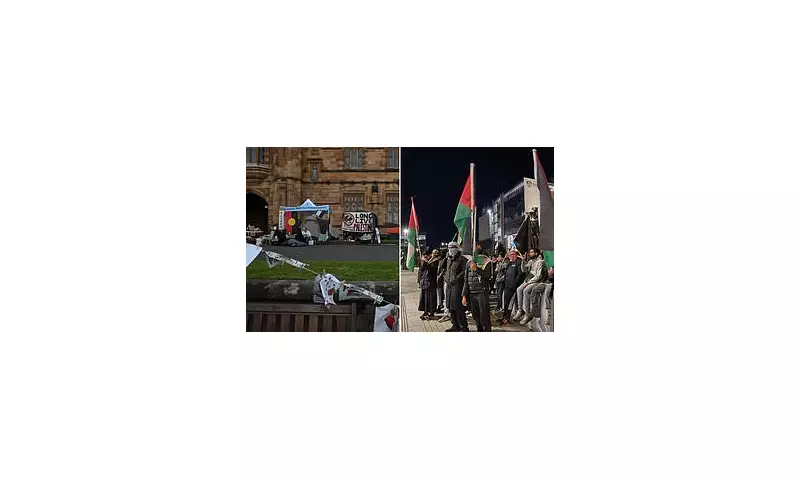
Activists affiliated with Hizb ut-Tahrir were involved in organising pro-Palestinian encampments at the University of Sydney last year, where demonstrations featured radical slogans. Despite being informed on 6 May about the group's activity on campus, critics allege Vice-Chancellor Mark Scott failed to dismantle the encampment or exclude extremists.
Hizb ut-Tahrir supporters have publicly celebrated the 7 October attacks in Israel. Furthermore, affiliates of the group were reportedly involved in negotiations with university officials to end the encampment. The resulting agreement, reached on 21 June after eight weeks of protests, included establishing a working group to review defence-related investments and granting protesters representation.
Community Outcry and University Response
Jewish leaders condemned the deal, arguing protesters had 'intimidated the campus community' and were 'rewarded for doing so.' Following the Bondi attack, Opposition Leader Sussan Ley pointed to the protests, warning that rising antisemitism had led to campuses being 'occupied'. The NSW Jewish Board of Deputies also criticised the harassment of Jewish students and academics.
In response to questions, a University of Sydney spokesperson stated the institution stands 'firm in support of our Jewish staff, students, and the broader community.' The statement emphasised working with Jewish leaders over the past 18 months but did not address Hizb ut-Tahrir specifically.