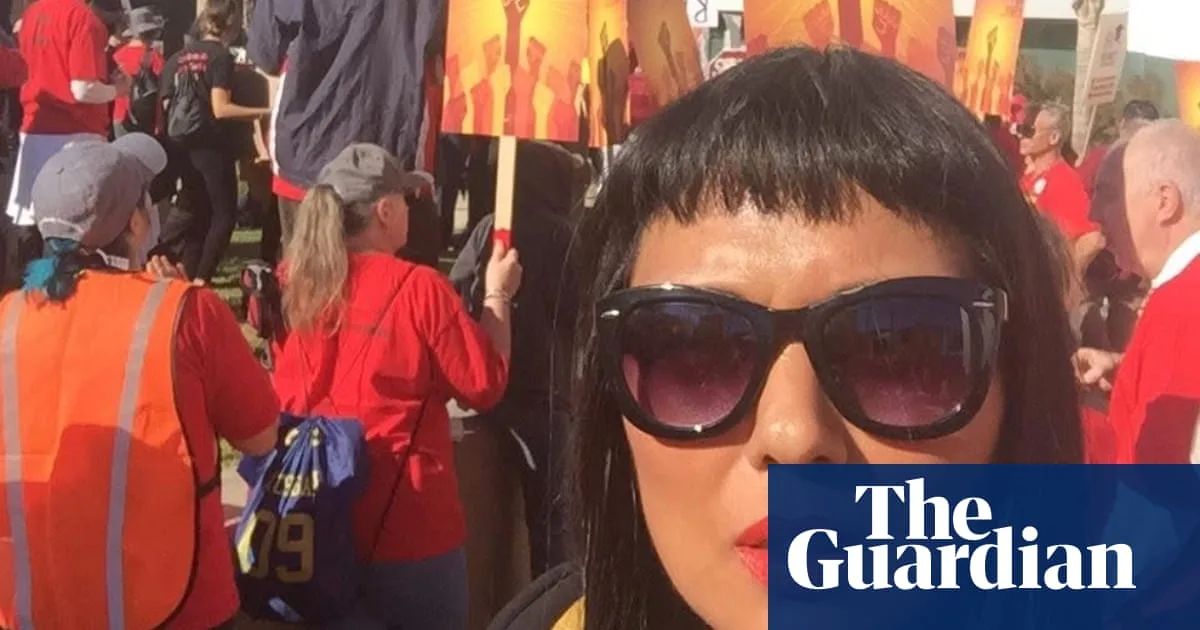
A tenured professor at a major Californian public university has been dismissed from her post in a landmark case connected to the wave of pro-Palestinian activism that swept US campuses. Sang Hea Kil, a longstanding member of San José State University's justice studies department, is fighting her termination, becoming the first tenured faculty member fired from a public university in relation to protests against Israel's war in Gaza.
The Grounds for Dismissal and Kil's Defence
The university's case centres on Professor Kil's involvement in on-campus demonstrations. Officials allege her actions during a tense protest in February 2024 disrupted university operations. The incident involved an altercation where a faculty member filming student protesters was reportedly assaulted, though Kil states she was present in a personal capacity and that the other professor had assaulted a student.
Further, the administration accused Kil of encouraging students to stage an encampment in violation of policy and of subsequently participating in that student-led action. Kil explained her decision to join the encampment for three of its ten days was driven by her critical work on policing and a sense of obligation following police raids on similar camps in New York and Los Angeles.
A Broader Clampdown and Academic Freedom Fears
Kil's dismissal places her among a growing number of academics facing suspension, investigation, or termination for their stance on the conflict. She is the second tenured professor dismissed from a US public university over such activism, following Steven Salaita in 2014. The case has ignited fierce debate about the limits of free speech and academic freedom, particularly regarding faculty members' "extramural" speech and activities outside the classroom.
Despite a faculty review committee finding the dismissal "disproportionate and not justified," university president Cynthia Teniente-Matson upheld the termination in November. She accused Kil of putting student safety and education at risk and showing intentional disregard for university policies. This decision has drawn sharp criticism from academic bodies including the American Association of University Professors and the Middle East Studies Association.
Legal Battle and Union Backing
Kil, represented by the California Faculty Association, is seeking reinstatement through arbitration and has vowed to sue the university if it fails. At a public appeal hearing, she condemned the university's actions as "New McCarthyism," where geopolitical interests undermine constitutional rights on campus.
Academic freedom expert Henry Reichman, who testified for Kil, argued that while she may have breached policy, the violations did not impact her "fitness" to teach—the standard required for dismissing a tenured professor. "You dismiss tenured professors for things like, the professor sexually assaulted a student, or the professor didn’t show up in class for five weeks in a row with no excuse," Reichman stated.
The university has declined to comment on personnel matters. This high-profile case continues to unfold, serving as a critical test for the protections afforded to tenured faculty and the scope of permissible political expression on university grounds in a deeply polarised climate.