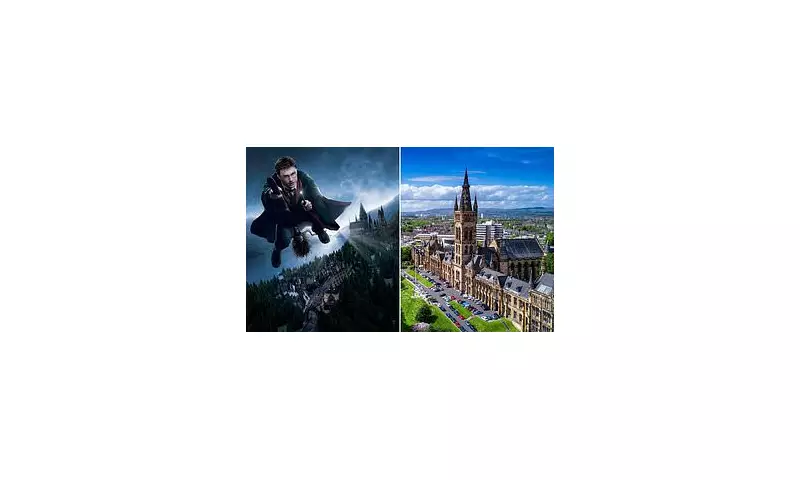
A leading UK university has ignited a fierce debate on academic freedom and modern sensibilities after issuing content warnings for classic children's books, including J.K. Rowling's Harry Potter and the Philosopher's Stone.
What Does the Warning Say?
The University of Glasgow alerted undergraduates taking a module in British Children's Literature that the course would explore 'outdated attitudes, abuse, and language' found in the set texts. The advisory, released under freedom of information laws, applies to nine books but does not single out any specific title.
The reading list spans over 150 years of publishing. It includes Lewis Carroll's Alice's Adventures in Wonderland (1865), E. Nesbit's The Story of the Treasure Seekers (1899), and Enid Blyton's First Term at Malory Towers (1946). More modern works like Malorie Blackman's Noughts & Crosses (2001) and Rowling's first Harry Potter novel, which has sold over 120 million copies, are also featured.

Critics Lambast 'Triggering Epidemic'
The university's decision has been met with scorn from prominent literary figures and academics, who see it as symptomatic of over-protectiveness in higher education.
Novelist Dame Margaret Drabble sarcastically remarked: 'Poor, poor students!... They will need counselling from all the children who have survived these terrible tales and enjoyed them so much.'
Professor John Sutherland, an emeritus professor at UCL, compared the move to a historical 'Poison Cabinet' for dangerous books, adding that a modern 'Triggered Lit cabinet' would now be 'the size of next-door King's Cross Station.'
Historian Jeremy Black criticised the warning as a 'hilarious commentary on its present mindedness,' arguing it only serves to confirm the biases of the current age.
The University's Defence
In response to the criticism, a University of Glasgow spokesperson defended the use of content advisories. They stated that such warnings are a standard part of academic study, helping students prepare for critical discussion.
'Unlike children reading for pleasure, undergraduates analyse these texts in depth, which can highlight outdated attitudes around childhood, race or gender,' the spokesperson said. 'They ensure we can engage with course content in as sensitive and respectful a way as possible.'
The controversy taps into a wider cultural discussion about how historical works are contextualised for contemporary audiences, with authors like Enid Blyton having faced posthumous criticism for sexism and racism in their writing.