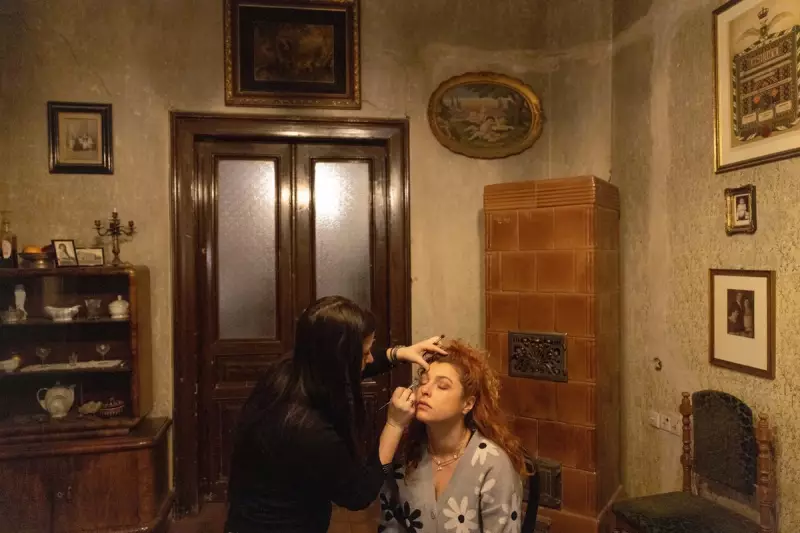
In the bustling heart of Serbia's capital, a remarkable architectural survivor stands as a testament to Belgrade's rich cultural heritage. A small 19th century villa, located at 17 Takovska street, has defied the relentless tide of urban transformation to become an unexpected haven for intimate theatrical productions.
A Living Museum Against Urban Change
Built in 1894 by a prominent Belgrade family, this protected heritage site presents a striking contrast to its modern surroundings. Positioned directly opposite the headquarters of Serbian public broadcaster RTS, the villa endures constant traffic noise from cars and trolley buses while maintaining its historical integrity. Across Belgrade, numerous similar houses have been demolished by developers, replaced with multi-storey buildings that have erased entire residential neighbourhoods.
"This house refuses to go," declares the venue's website. "It has been here since 1894, proud, smelling of old wood and new stories." The building's survival represents a significant victory for cultural preservation in a city undergoing rapid transformation.

Transformation into Takovska17 Theatre
The villa's remarkable adaptation into Takovska17 theatre has created a unique cultural space that transports visitors back in time. Step through the doors and you might believe you've entered a winter afternoon in 1926, with period furniture, faded wall colours, and decorations that have survived from the early 20th century. The wooden floorboards bear deep marks from more than a century of use, adding to the authentic atmosphere.
Several local theatre troupes have made this historic house their home, including the Artisti amateur troupe. They stage plays from the early 20th century in front of intimate audiences of just a few dozen people, creating an experience that larger venues cannot replicate.
Breathing New Life into History
Actress Isidora Ristic, who performs murder mysteries with the Artisti troupe, explains the building's unique role: "This house has become a true little theatre with its own repertoire. It's become a character in our plays." The venue's period atmosphere and intimate setting have proven so successful that tickets often require advance booking, with waiting lists common for performances.
Tamara Masic, an architect and troupe member, expresses particular satisfaction with the preservation effort: "I am happy to see that the old house has survived in its original form. We have had the honour to breathe new life into this object and give it a new glow." She describes the space as "really like a museum," highlighting how the building itself contributes to the theatrical experience.
Architectural and Cultural Significance
The villa's architectural features tell their own story of Belgrade's history. Despite showing signs of age with crumbling walls and closed shutters from the outside, the interior maintains its historical character. The building's listing as a protected heritage site has been crucial to its survival, providing legal protection against demolition or inappropriate alteration.
This successful adaptation demonstrates how historical buildings can find new relevance through cultural programming. Rather than becoming a static museum, Takovska17 has evolved into a living cultural institution that actively engages with Belgrade's artistic community while preserving architectural heritage for future generations.
The theatre's programming focuses specifically on early 20th century works, creating a perfect synergy between the building's historical period and the performances it hosts. This thoughtful approach has established Takovska17 as more than just a performance venue—it has become an immersive historical experience that connects contemporary audiences with Belgrade's cultural past.