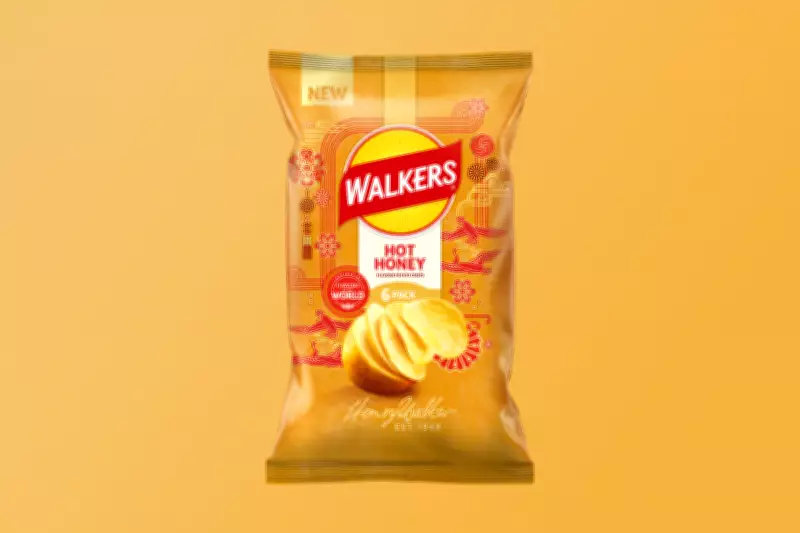
Walkers Issues Urgent Recall of Hot Honey Crisps Over Milk Allergen Concerns
Walkers, the prominent crisp manufacturer, has initiated an immediate recall of a specific batch of its popular Hot Honey-flavoured crisps from retailers and wholesalers across the United Kingdom. This action follows the discovery that some multipacks may contain Mild Cheese and Onion seasoning, which includes milk, thereby creating a significant health hazard for individuals with milk allergies or intolerances.
Details of the Affected Products
The recall specifically targets 6-pack multipacks of Walkers Hot Honey Crisps bearing the batch code GBB 584 031 and a best before date of May 16, 2026. Consumers who have purchased these packets are strongly advised to check their products and refrain from consumption if they match these identifiers.
Walkers has clarified that while the product features precautionary allergen labelling for milk, milk is not listed among the ingredients. This discrepancy means the crisps could inadvertently expose allergic individuals to milk proteins, triggering severe reactions.
Company Response and Consumer Guidance
In an official statement, Walkers expressed regret over the error, emphasising that "the quality and safety of our products is of paramount importance to us." The company has pledged to provide full refunds to all affected customers and has extended a sincere apology for any inconvenience or health risks caused.
PepsiCo, the parent company of Walkers, reiterated this commitment, underscoring their dedication to rigorous quality control measures. The recall process involves:
- Immediate removal of the specified batch from store shelves
- Direct notifications to wholesalers and retail partners
- Clear instructions for consumers on how to identify and return the affected products
This incident highlights the critical importance of accurate allergen labelling in the food industry, particularly as milk allergies are among the most common and potentially dangerous food sensitivities.