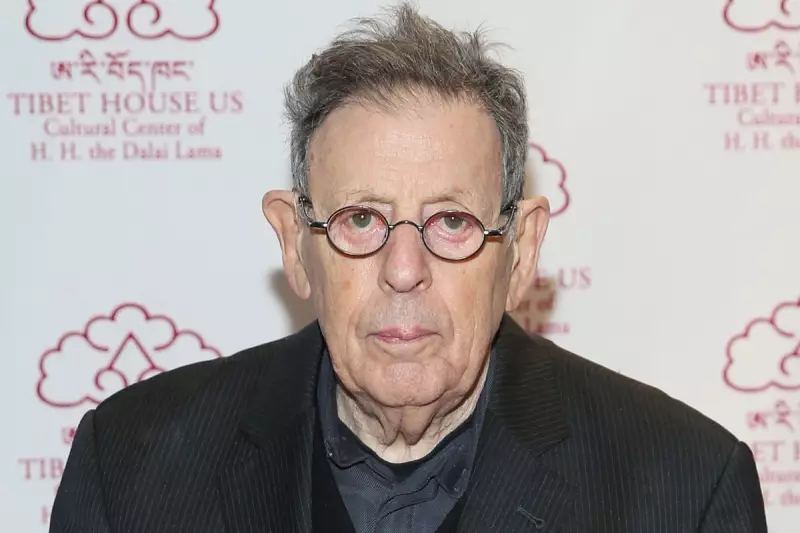
Award-winning composer Philip Glass has made a significant artistic statement by withdrawing the premiere of his new symphony from the Kennedy Centre lineup, following the institution's controversial rebranding to the Trump-Kennedy Centre. The 88-year-old musician, renowned for his minimalist compositions, was originally scheduled to debut his Symphony No. 15, titled 'Lincoln', at the performing arts centre on June 12 and 13, 2026.
Conflict of Values Leads to Withdrawal
In a powerful statement shared on Instagram on Tuesday, 27 January 2026, Glass explained his decision, emphasising that the current values of the Kennedy Centre are in direct conflict with the message of his symphony. He stated, "Symphony No. 15 is a portrait of Abraham Lincoln, and the values of the Kennedy Centre today are in direct conflict with the message of the Symphony. Therefore, I feel an obligation to withdraw this Symphony premiere from the Kennedy Centre under its current leadership."
Background on the Rebranding Controversy
The Kennedy Centre, a prestigious performing arts venue in Washington D.C., has recently been renamed the Trump-Kennedy Centre by a Trump-appointed board, a move that has sparked widespread debate and legal questions. Former President Donald Trump has expressed surprise at the rebranding, which some critics argue was conducted illegally, adding to the political tensions surrounding the institution.

Glass's withdrawal highlights a growing trend of artists taking stands against perceived political interference in cultural institutions. His symphony, dedicated to Abraham Lincoln, a figure symbolising unity and emancipation, stands in stark contrast to the divisive associations many have with the Trump name, making this a poignant protest in the arts community.
Implications for the Arts World
This incident raises important questions about the intersection of politics and the arts, particularly in how institutions maintain their artistic integrity amidst changing leadership and branding. Glass's action may inspire other artists to reconsider their engagements with venues that undergo similar political rebranding, potentially impacting future programming and collaborations at the Kennedy Centre and beyond.
As the story develops, it underscores the ongoing challenges faced by cultural organisations in balancing artistic expression with political realities, a theme that resonates deeply in today's polarised climate.