Laura Lima's ICA Exhibition: A Surreal Journey That Lacks Direction
Brazilian conceptual artist Laura Lima presents her first UK solo exhibition at London's Institute of Contemporary Arts, titled The Drawing Drawing. Despite decades of international recognition and biennale appearances, this showcase leaves viewers questioning whether surreal encounters and mechanised chaos can truly deliver profound artistic meaning.
Moving Platforms and Shifting Perspectives
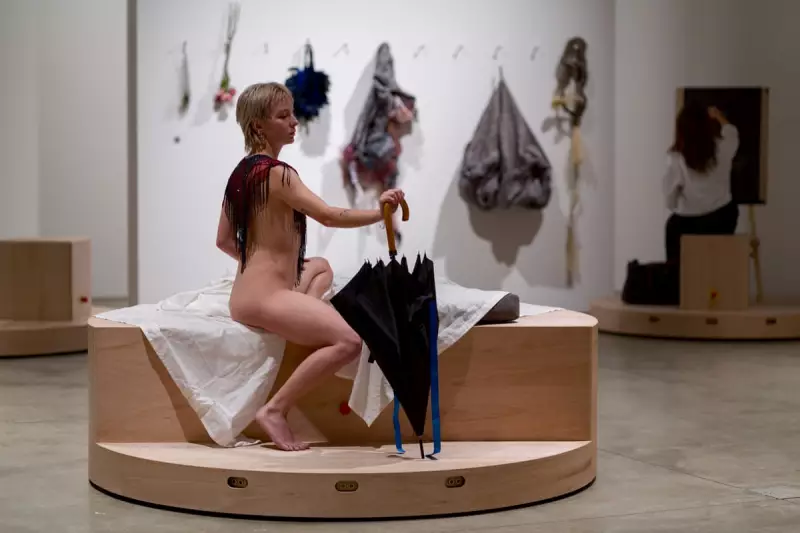
The exhibition's central feature involves a life drawing class where everything rests on wheels. Easels and models occupy moving wooden platforms that autonomously navigate the gallery space, forcing participants to constantly adjust their viewpoint. While promotional materials describe this as embracing randomness and chaos, the reality proves more controlled. These platforms function essentially as giant robotic vacuum cleaners with sensors, following preprogrammed paths within defined areas.
This creates a contradiction between the exhibition's stated themes of unpredictability and its mechanical execution. References to Epicurus's atomist theory and concepts of chance feel undermined by the systematic nature of the installation. The attempt to make viewers examine subjects from different perspectives through spinning easels comes across as heavy-handed rather than enlightening.

Absurd Encounters and Elusive Meaning
Other rooms feature equally surreal elements. One contains keys on the floor with a human arm protruding beneath a wall, attempting to grasp them. Initially amusing in its absurdity, this installation struggles to maintain conceptual coherence. The arm eventually reaches the keys, grabs them, and discards them, suggesting meaning remains elusive primarily because the artist has deliberately made it difficult to access.
Upstairs, a motorised red parasol dances across the gallery floor while a nearby refrigerator holds images frozen in ice blocks. Visitors are encouraged to defrost these blocks to reveal the images, though the payoff proves minimal. These elements typify Lima's approach: creating unexpected situations without providing substantive artistic content.
Conceptual Overload and Artistic Substance
The exhibition suffers from what might be termed conceptual overreach. Laden with philosophical references and theoretical frameworks, it demands intellectual engagement while offering little genuine insight. Lima encourages viewers to find significance in peripheral details, yet this becomes a convenient mechanism for disguising work that lacks deeper meaning.
Had the artist presented these installations as purely absurd, surreal, or poetic experiences, they might have succeeded on their own terms. Instead, the exhibition burdens viewers with half-baked philosophy and questionable conceptualism, preventing genuine appreciation of the visual elements. The emphasis on process and discovery feels unearned when the components themselves lack aesthetic or intellectual resonance.
Final Verdict on a Wandering Exhibition
Watching participants on mechanised platforms drawing a nude model with an umbrella while contemplating Epicurean philosophy creates cognitive dissonance. The experience highlights the gap between artistic ambition and execution. Despite genuine attempts to engage with the work's theoretical underpinnings, viewers may ultimately find themselves contemplating silly art rather than serious ideas.
Laura Lima's The Drawing Drawing demonstrates how conceptual art can sometimes prioritise theory over substance. While the moving platforms and surreal encounters initially intrigue, they fail to coalesce into meaningful artistic statement. The exhibition continues at London's ICA until 29 March, offering visitors an opportunity to judge whether absurdity and mechanisation can successfully challenge habitual modes of attention.