Daniyal Mueenuddin, the acclaimed short-story writer, is set to make a seismic return to publishing with his debut novel, 'This Is Where the Serpent Lives'. Scheduled for release in 2026, this expansive and interlinked narrative is already generating significant anticipation as a potential standout of the literary year.
An Epic Tapestry of Power and Class
The novel unfolds as a chain of interlocking narratives, reminiscent of Neel Mukherjee's A State of Freedom in its circular exploration of societal inequality. It marks Mueenuddin's keenly awaited follow-up to his celebrated 2009 debut, the short-story collection In Other Rooms, Other Wonders.
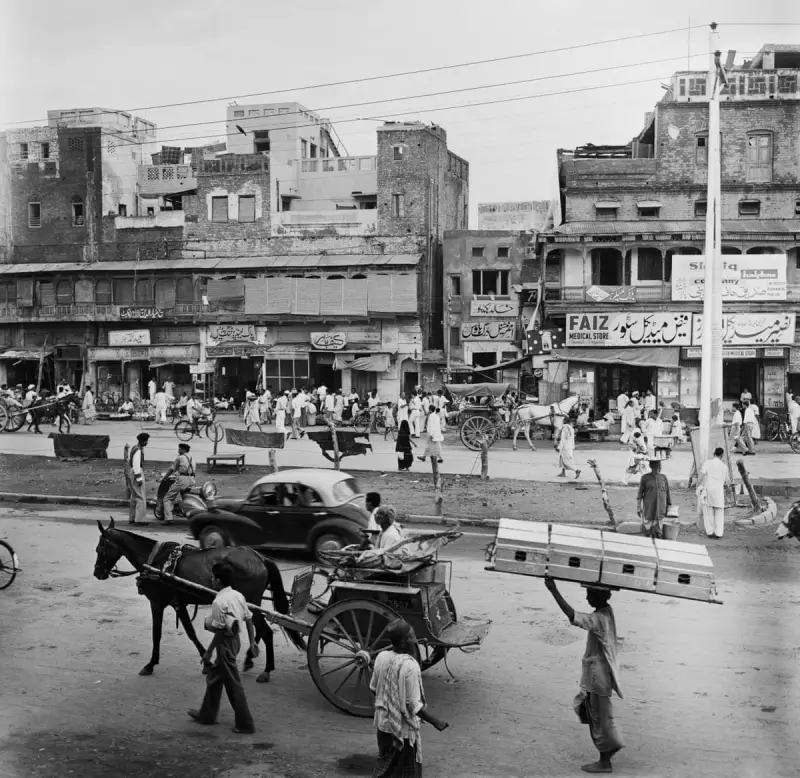
The story begins in the 1950s Rawalpindi bazaar, where a heart-rending scene introduces a small, abandoned child named Yazid. Rescued by a tea stall owner, Yazid is raised amidst the stall's vibrant community. He grows into a sharp, entrepreneurial teenager, attracting a gang of privileged schoolboys to his humble setup. His fate becomes irrevocably tied to one of them, the scholarly Zain, and Zain's sister, Yasmin, leading to devastating consequences that propel him into the service of a powerful army colonel in Lahore.

Interwoven Lives Across Generations
The narrative then shifts to the Pakistani countryside, where the colonel's nephew, Rustom, returns from America to manage a neglected family estate. His Western-educated ideals clash violently with local corruption and gangsterism. Seeking counsel in Lahore, he is drawn into the glittering, morally complex world of his cousin Hisham and Hisham's wife, Shahnaz.
Mueenuddin masterfully peels back the polished facade of Hisham's life, revealing the queasy truths of his marriage to the formidable Shahnaz. Observing all is Yazid, now the couple's chauffeur and confidant, who mentors a poor village boy named Saquib. Saquib, in turn, is taken under the wing of the childless couple as a curious hybrid of servant and personal project.
A Savagely Brilliant Conclusion
The novel's final section brings the story full circle, focusing on Saquib and his complex repayment of the support he receives from Yazid and his wealthy patrons. This segment is noted for its stark juxtaposition of wit and brutality, delivering a savagely sudden conclusion that echoes Mukherjee's most impactful work.
Mueenuddin's prose is consistently fluent and often very funny, bringing the smells, tastes, and textures of Pakistan to vivid life. While the novel features a lengthy list of characters, the storytelling remains immediate and engrossing, avoiding confusion despite the grand, intergenerational scope.
If there is a critique, it is that the four central narratives offer limited space for a sustained female perspective. Characters like Yasmin, Shahnaz, and Saquib's wife, Gazala, ultimately retain their secrets. This may be a deliberate authorial choice, reflecting a culture where male voices often dominate.
Nevertheless, This Is Where the Serpent Lives is a triumph of controlled writing and epic storytelling. Published by Bloomsbury and priced at £18.99, it is poised to be one of the defining literary novels of 2026.