Readers Champion Wuthering Heights as a Complex Masterpiece, Not a Conventional Romance
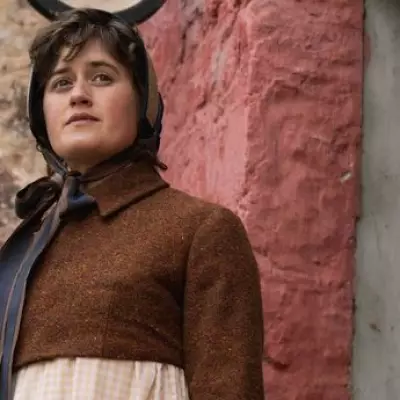
As Emerald Fennell's hotly anticipated film adaptation of Wuthering Heights arrives this week, a robust response from readers has emerged, defending Emily Brontë's only novel as a deliberate work of unsettling genius rather than a seductive romance. Many argue that decades of screen adaptations have fundamentally misrepresented the book, casting it as a love story when its true purpose is to explore cruelty, complexity, and discomfort.
A Novel Meant to Unsettle, Not Seduce
Readers have pushed back against modern interpretations that portray Heathcliff as a brooding romantic hero. Instead, they emphasize that Brontë crafted him as a deliberately unlikeable, abusive, and morally corrosive figure. The novel's exploration of class, race, gender, inheritance, and cycles of violence is central to its message, with many noting that its discomfort is intentional rather than a flaw.
A recurring theme in reader comments is that Wuthering Heights transforms with age. What may feel romantic or melodramatic to younger readers often reveals itself as a bleak study of obsession, abuse, and legacy upon mature reflection. While acknowledging the novel is demanding and not universally appealing, readers reject suggestions that admiration for it is performative or disingenuous.

Key Reader Insights on Brontë's Work
It is not a love story: Many readers stress that the novel actively resists romantic categorization. One commenter pointed out, "If this was a love story, why on earth would Catherine die in the first half?" The latter part of the book focuses on the fallout and repeating cycles of abuse across generations, with Heathcliff's unlikeability serving to highlight the impacts of oppression in a rigid class society.
A study of abuse and oppression: Readers describe the book as a profound examination of domestic violence, societal pressures on women, legacy, property, and male wealth hoarding. They praise Brontë's ahead-of-her-time perspective, with one noting that many women find comfort in her pioneering insights.
Age changes perception: Several readers shared how their understanding evolved over time. Teenage interpretations often focus on perceived passion, while mature readings recognize the story's dark themes of child and spousal abuse. Characters like Cathy, Hindley, and Edgar Linton are also seen as abusers in their own right, with Isabella Linton emerging as a rare voice of sense.
Literary Merit and Adaptation Challenges
Readers celebrated Brontë's literary craftsmanship, comparing her language to Shakespeare's and highlighting the novel's structural complexity. The recurring names in the book are not confusion but a deliberate device to emphasize cycles of passion, revenge, and inheritance. Some described it as "transgressive literature" that challenges societal norms through violent, sociopathic behavior.
The difficulty of adapting such a nuanced work to screen was noted, with one reader observing, "A great novel and a great story are not the same thing." This disconnect often leads to film and TV versions softening the book's harsh edges, potentially diluting its powerful commentary on human nature and society.
Ultimately, readers affirm Wuthering Heights as one of the greatest works of fiction ever written, a masterpiece full of nuance that continues to provoke discussion and debate. Its enduring relevance lies in its unflinching exploration of difficult themes, a testament to Brontë's extraordinary achievement despite the barriers faced by female writers in her era.