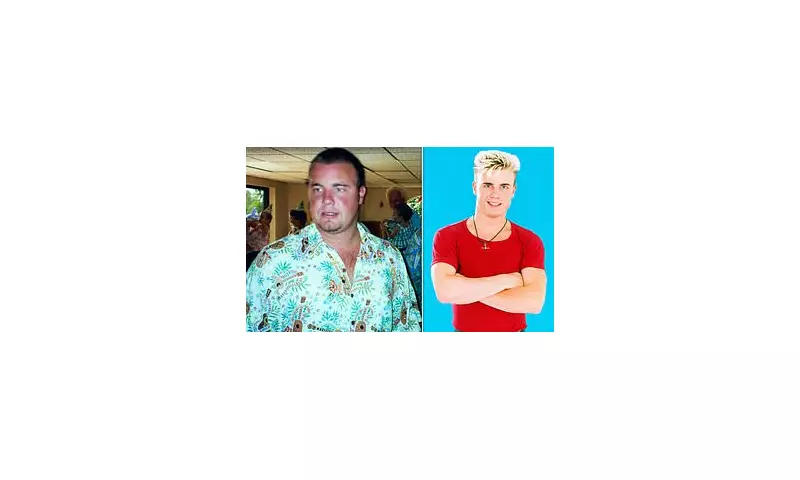
Gary Barlow has made a startling admission about his past struggles with an eating disorder, revealing that he deliberately wanted to be fat at the height of his bulimia battle as part of a mission to kill his pop star persona. The Take That singer, now 55, shares these deeply personal revelations in the band's new Netflix docuseries, which includes never-before-seen images from that difficult period in his life.
The Struggle to Shed the Boyband Image
Gary explained that after Take That initially split, he spent years trying to escape his boyband image. As his weight increased to 17 stone, he noticed something significant: people began to recognise him less in public. This realisation became a turning point in his mindset about his body and his public identity.
Opening up about his excruciating bulimia struggles, Gary described the emotional toll: It was just so excruciating. You just wanted to crawl into a hole. He revealed there was a period of about 13 months when he didn't leave the house once, during which his weight gain accelerated.

A Deliberate Mission to Change
The more weight I put on the less people would recognise me, Gary recalled. I thought 'this is good, this is what I've been waiting for, living a normal life.' So I went on a mission. If the food passed me, I'd just eat it... and I killed the pop star.
He described the cycle of bingeing: I would have these nights where I'd eat and eat and eat, but however I felt about myself, I felt ten times worse the day after. The singer detailed how his eating disorder developed in the Nineties after his solo career failed to take off, admitting to feelings of jealousy about former bandmate Robbie Williams' success during that period.
The Origins of His Eating Disorder
Gary confessed: I was incredibly competitive so yeah, I think I was jealous. After being dropped by his record label, he lost his direction, wondering: What am I going to do with the rest of my life? Because that's it with music now. I can't even walk down the street now without someone shouting something about Robbie to me.
The situation was compounded by widespread public mockery and Robbie's public jibes at him. Gary described the beginning of his bingeing and purging cycle: One day I thought, I've been out, it's 10 o'clock, I've eaten too much, I need to get rid of this food. You just go off to a dark corner of the house and just throw up, just make yourself sick.
He reflected on the pattern that developed: You think it's only once and all of a sudden you're walking down that corridor again and again - is this it? Is this what I'm going to be doing forever?
The Turning Point and Recovery
Gary's weight reached 17 stone at the height of his battle before things came to a head in 2003. He previously recalled: It was the day when I just went, 'No, I'm not having this anymore, I'm going to change. I want to change and I'm determined that this is not who I've become.'
The recovery process proved lengthy: It only took a few years to get that low, but it took me years to get back to who I wanted to be. 10 years probably.
Reconciliation with Robbie Williams
Gary also revealed how he and Robbie Williams eventually put their differences aside after years of feuding. In the documentary, he explained that he and bandmates Howard Donald, Mark Owen and Jason Orange decided to put the past behind them when reports emerged about Robbie's battles with drink and drugs.
Concerned about their former friend, they flew to Los Angeles to support him, with Gary taking Robbie aside for a private conversation. I had a lot of stuff I wanted to say to Rob, Gary recalled. He had a lot of stuff he wanted to say to me. We'd just never done it.
Howard Donald added: We went to his house and Robbie had a massive conversation with Gary. What he felt about Gary in the Nineties and how it hurt him and blah, blah, blah.
Gary remembered specific grievances: Things around me not being supportive about his songwriting, and about his weight interestingly. He confessed: I'd called him Blobby instead of Robbie one day - which I hold my hands up, I shouldn't have done.

The reconciliation proved transformative: In about 20/25 minutes we'd put to bed things that had haunted us for years and it felt like we could move forward after that.
Take That now comprises Howard Donald, Mark Owen and Gary Barlow, who recently attended the premiere of their Netflix series at Battersea Power Station. The documentary provides unprecedented insight into the personal struggles behind the pop star persona, highlighting the complex relationship between public image, mental health, and eating disorders in the entertainment industry.