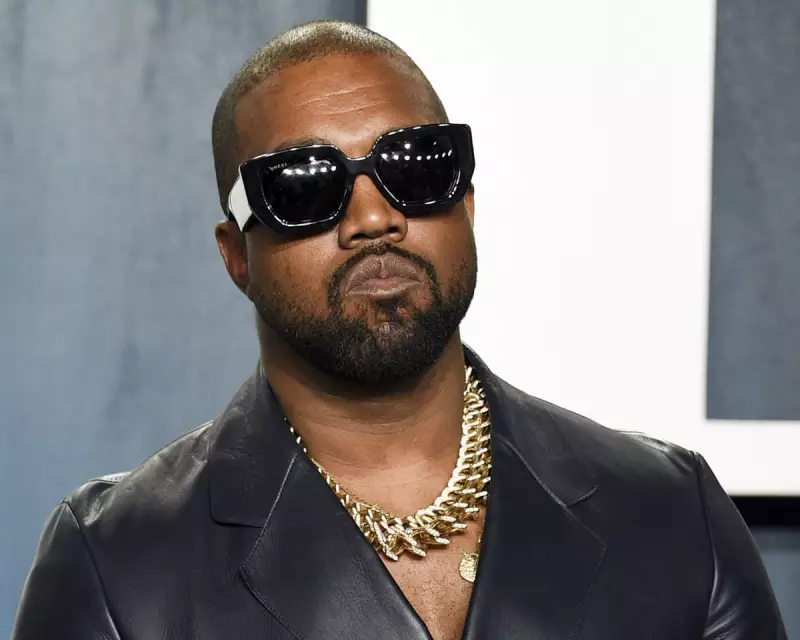
Kanye West Opens Up About Mental Health and Regret Over Antisemitic Comments
In a candid new interview, Kanye West, legally known as Ye, has provided further insight into his mindset during manic episodes that led to widely condemned antisemitic remarks. The rapper and fashion mogul expressed deep remorse, stating that "these remorseful feelings were so heavy on my heart and weighing on my spirit", as he seeks to make amends for his actions.
Elaborating on Apology and Mental Health Struggles
Ye recently took out a full-page advertisement in the Wall Street Journal to apologise for comments made during what he describes as bipolar-1 disorder episodes. In the open letter, he addressed "to those I hurt", explaining that the disorder, stemming from brain injuries in a car accident, caused him to lose touch with reality. He wrote, "I said and did things I deeply regret ... I am not a Nazi or an antisemite. I love Jewish people."
Now, in an email interview with Vanity Fair, Ye has added more details, emphasising that his apology is not for commercial reasons ahead of his new album Bully, but due to genuine regret. He acknowledged the impact on the Jewish and Black communities, saying, "All of it went too far. I look at wreckage of my episode and realise that this isn't who I am."

Impact on Personal Relationships and Treatment Journey
When asked about making amends in his personal life, Ye described a daily checklist of recalling hurtful statements made impulsively during bipolar episodes. He lamented, "All of the family bonds, deep relationships, and lifelong friendships that I worked so hard to build over so many years were all tarnished."
He detailed a manic episode in 2025 that lasted four months, followed by depression due to medication changes, leading to treatment at a rehabilitation facility in Switzerland. Ye highlighted the challenges of finding the right medication dosage, noting, "Finding the right dosage is difficult, but it's important and critical to finding the right balance with the illness." He also mentioned past misdiagnosis issues, having previously claimed to be autistic rather than bipolar, but clarified in his apology that this was inaccurate.
Broader Context and Consequences
Ye's antisemitic comments, which included praising Hitler and using Nazi symbols, resulted in significant backlash, including the loss of partnerships with Adidas and his talent agency. He has also faced criticism for other controversial statements targeting Black Americans. In his interview, Ye stressed the importance of his public influence, stating, "It's important that they realise and understand what side of history that I want to stand on. And that is one of love and positivity."
This development underscores ongoing discussions about mental health, accountability, and the consequences of public figures' actions in the entertainment industry.