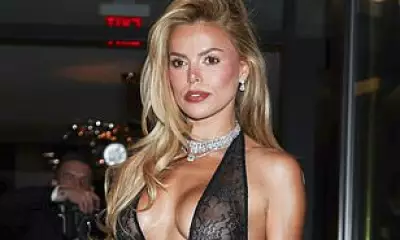
Former Liberty X singer Michelle Heaton has offered a remarkably candid look back at her time in the chart-topping noughties pop band, while also delivering a sharp critique of today's generation of reality television stars.
The Rollercoaster Ride of Pop Stardom
In a revealing new video interview, Heaton, now 44, lifted the lid on her experiences as part of the successful group formed from the runners-up of the 2001 ITV show Popstars. She described the era as containing both "the best and worst times" of her life. The band, which included Kevin Simm, Tony Lundon, Jessica Taylor, and Kelli Young, achieved massive success with hits like "Just a Little" and "Thinking It Over," selling millions of records.
However, Heaton was frank about the pressures that came with that level of fame at a young age. She highlighted the intense scrutiny, the demanding schedule, and the psychological impact of living in the public eye during the peak of the celebrity magazine era. The singer suggested that the very structure of being in a manufactured band created unique personal and professional challenges that were difficult to navigate.

A Stark Contrast to Modern Fame
Drawing a direct comparison, Heaton then took aim at the current landscape of celebrity, particularly focusing on individuals who find fame through reality TV. She argued that many of today's aspiring stars are "fame-hungry" in a way that contrasted with her own journey.
"We were never fame-hungry," Heaton stated emphatically, reflecting on Liberty X's origins. Her point centred on the idea that her band was formed from a desire to sing and perform, having been put together after failing to win the original competition. She implied that the primary motivation for many contemporary reality personalities is the allure of fame itself, rather than a specific talent or craft they are striving to perfect.
The Impact of Social Media and Instant Celebrity
Heaton's comments subtly pointed to the role of social media and fast-tracked celebrity culture. In the early 2000s, fame was often still tied to traditional media outlets and tangible achievements like record sales. Today, she suggested, the path to recognition can be quicker and more directly sought after, sometimes with fewer established skills as a foundation.
This, in her view, creates a different dynamic and set of expectations for those in the spotlight. The interview did not name specific shows or stars, but her critique broadly encompassed the genre of reality television that launches individuals into the public eye, often leading to careers in endorsements, club appearances, and further TV opportunities.
Reflection and Moving Forward
Despite the difficulties she recalled, Michelle Heaton's reflections weren't entirely negative about her time in Liberty X. She acknowledged the incredible opportunities it afforded her, the bond with her bandmates, and the creative fulfilment of performing. Her perspective is that of someone who has seen both sides of the entertainment industry, from pop stardom to reality TV participation herself, including on shows like The Big Reunion and Celebrity Big Brother.
Her insights provide a fascinating bridge between two distinct eras of British celebrity culture. They highlight how the mechanisms for achieving fame, and the public's relationship with celebrities, have evolved dramatically in just two decades. Heaton's own story—from pop star to reality TV contestant to commentator—uniquely positions her to observe these shifts, making her critique a pointed one from within the industry itself.