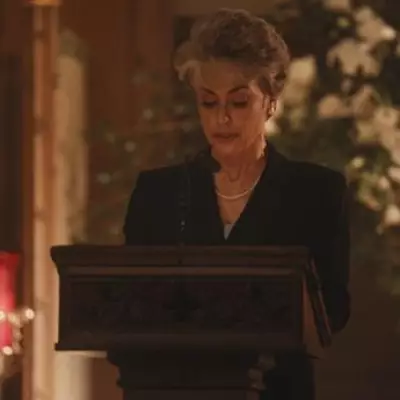
Rupert Grint, the beloved actor famous for portraying Ron Weasley in the Harry Potter film series, has candidly shared that his initial journey into fatherhood was far more challenging than he anticipated. In a recent interview, Grint described the experience as "quite traumatising" and emotionally taxing, shedding light on the often unspoken struggles new parents face.
Personal Struggles with Parenthood
Grint, who has two children named Wednesday and Goldie G Grint with his partner, actress Georgia Groome, revealed that the first few months after his eldest daughter Wednesday was born in May 2020 felt profoundly isolating. He admitted that adjusting to the demands and responsibilities of being a first-time father was overwhelming, leading to feelings of loneliness and disconnection. This personal revelation comes as he promotes his latest film, Nightborn, in which he plays a character grappling with similar themes of parenthood and postpartum depression.
Connection to New Film Nightborn
In Nightborn, Grint takes on the role of a new dad, a part that deeply resonated with his own experiences. The film explores the complexities of fatherhood, including the emotional turmoil and mental health challenges that can accompany it, such as postpartum depression. Grint emphasized that this role marks a significant departure from his iconic character Ron Weasley, cautioning Harry Potter fans to expect something entirely different. He hopes that by sharing his story and through his performance, he can help destigmatize discussions around parental mental health and encourage more open conversations.

Broader Implications for Parenting Discourse
Grint's honesty about finding fatherhood "isolating" and "traumatising" highlights a critical aspect of modern parenting that is often overlooked in public discourse. Many new parents, especially fathers, may feel pressure to appear perfectly adjusted, but Grint's account underscores the reality that it can be a difficult and lonely transition. His willingness to speak out could inspire others to seek support and normalize the challenges associated with raising children, promoting a more compassionate and understanding approach to family life.