Warner Bros Demanded Baftas Racial Slur Be Cut From BBC Broadcast
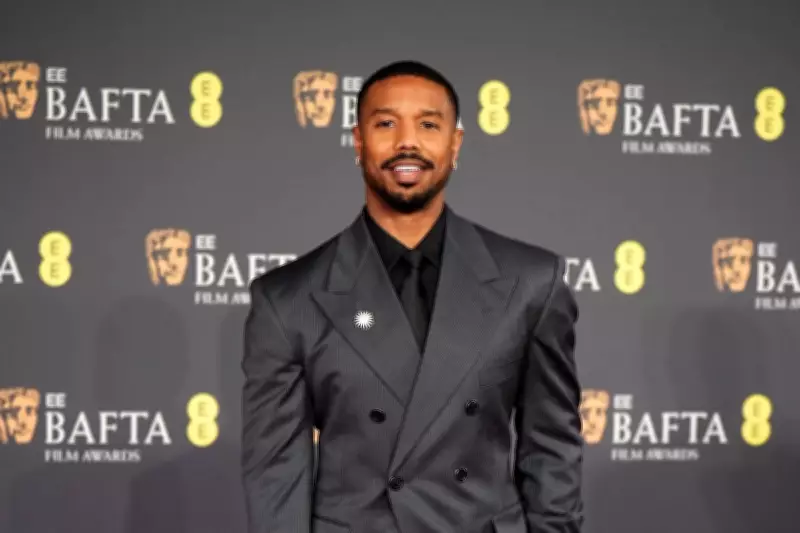
Warner Bros raised immediate concerns about a racial slur shouted during an appearance by Hollywood stars Michael B Jordan and Delroy Lindo at the Bafta film awards and requested it be removed from the BBC broadcast, according to the Press Association. The incident occurred as the actors presented the award for special visual effects at London's Royal Festival Hall on Sunday.
Immediate Studio Intervention
It is understood that representatives from Warner Bros, the film studio behind Sinners, spoke directly with Bafta staff following the incident during the ceremony. They explicitly requested the removal of the offensive language from the broadcast, which aired on the BBC later that night. Warner Bros representatives were reportedly reassured that this request would be passed on, with Bafta maintaining contact with the studio throughout the evening.
The racial slur was shouted by Tourette's campaigner John Davidson, who was in attendance. Davidson has since stated he is "deeply mortified if anyone considers my involuntary tics to be intentional or to carry any meaning." Despite this explanation, significant questions have been raised about how the incident was handled on the night and why the offensive language was left in the broadcast, which aired approximately two hours after the live ceremony.

Political and Industry Backlash
The broadcast has provoked strong criticism from political figures and within the film industry. Labour MP Dawn Butler has accused the BBC of "an obvious bias" and a "failure of duty of care." The MP for Brent Central stated the slur "should never have been aired" and described its broadcast as "painful and unforgivable." She has written to outgoing BBC director-general Tim Davie demanding an explanation.
In a more direct industry response, film-maker Jonte Richardson announced he is stepping down as a Bafta judge over the academy's handling of the incident. In a statement on LinkedIn, Richardson said, "After considerable soul-searching, I feel compelled to withdraw from the Bafta emerging talent judging panel. The organisation's handling of the unfortunate Tourette's N-word incident last night at the awards was utterly unforgivable."
Richardson, a champion of diverse voices in the industry, added that he "cannot and will not contribute my time, energy and expertise to an organisation that has repeatedly failed to safeguard the dignity of its black guests, members and the black creative community." He expressed particular disappointment given the strong black talent in this year's cohort, including the show Just Act Normal.
Official Apologies Issued
During the live broadcast, ceremony presenter Alan Cumming apologised for the language viewers may have heard. In a statement released on Monday night, Bafta apologised for the incident and said it takes "full responsibility" for putting its guests in a "difficult situation." The academy apologised "unreservedly" to Jordan and Lindo, and "to all those impacted," praising the actors for their "incredible dignity and professionalism."
The BBC also apologised for not editing the racial slur out of the broadcast. A corporation spokesperson stated, "Some viewers may have heard strong and offensive language during the Bafta Film Awards. This arose from involuntary verbal tics associated with Tourette syndrome, and as explained during the ceremony it was not intentional. We apologise that this was not edited out prior to broadcast and it will now be removed from the version on BBC iPlayer."
Understanding the Context
In a statement to the Press Association, John Davidson explained he chose to leave the auditorium early as he was "aware of the distress my tics were causing." According to the NHS, Tourette syndrome is a condition that causes people to make sudden, repetitive sounds or movements which, in rare instances, can result in offensive language being used that cannot be controlled. There is no cure, but treatment can help manage the tics.

Davidson was made an MBE in 2019 for his efforts to increase understanding of Tourette syndrome and help families deal with the condition. He was at the Baftas representing the film I Swear, which tells the story of his life with the condition, developed when he was 12. The film's star, Robert Aramayo, won best actor for his performance, and the film also won best casting, with Aramayo named EE Rising Star.
The incident has sparked a broader conversation about broadcast standards, duty of care to guests, and the handling of sensitive situations involving both racial issues and disabilities. Bafta has pledged to "learn from this and keep inclusion at the core of all we do," while the fallout continues to resonate across the film and broadcasting industries.