As the calendar flips to 2026, a year that has long served as a futuristic setting in cinema, we find ourselves living in a world shaped by rapid technological change, particularly in artificial intelligence. The question arises: did the visionaries of Hollywood provide us with any accurate warnings about the state of our present?
Mars, Marvel, and Misguided Portals
According to the much-maligned 2005 video game adaptation Doom, 2026 is the year humanity discovers a portal to an ancient city on Mars, establishing a research facility. While the film's true horrors—involving mutant creatures—are slated for 2046, its premise taps into a persistent cinematic anxiety about the red planet. From Ghosts of Mars to Mission to Mars, film has rarely portrayed our celestial neighbour as a beacon of hope, casting doubt on real-world ambitions for Martian colonisation.
Meanwhile, the sprawling Marvel Cinematic Universe has, through narrative necessity, placed several of its recent entries in this year. While projects like Guardians of the Galaxy Vol. 3 feel timeless, others like the critically panned Secret Invasion and Ant-Man and the Wasp: Quantumania suggest a 2026 filled with convoluted plotting and frustrating narrative wheel-spinning—a metaphor some may find uncomfortably close to modern media consumption.

Apes, Pandemics, and Bleak Prophecies
The rebooted Planet of the Apes trilogy offers one of the most direct cinematic timelines leading to 2026. In 2011's Rise of the Planet of the Apes, a virus developed to cure Alzheimer's boosts ape intelligence but proves deadly to humans. By the sequel, Dawn of the Planet of the Apes set in 2026, the simian flu has decimated the global human population.
The film's depiction of a rapidly spreading pandemic, previewed in Rise's end-credits sequence set around 2019, took on an eerie resonance following the very real Covid-19 outbreak. While humanity hasn't been wiped out and our technology remains intact, the film's core warning—that tribalism and appeals to base instincts will inevitably lead to violent conflict—feels painfully pertinent. It argues we are at the mercy of those who stoke division, a notion that resonates in today's fractured political landscape.
The Enduring Warning of Metropolis
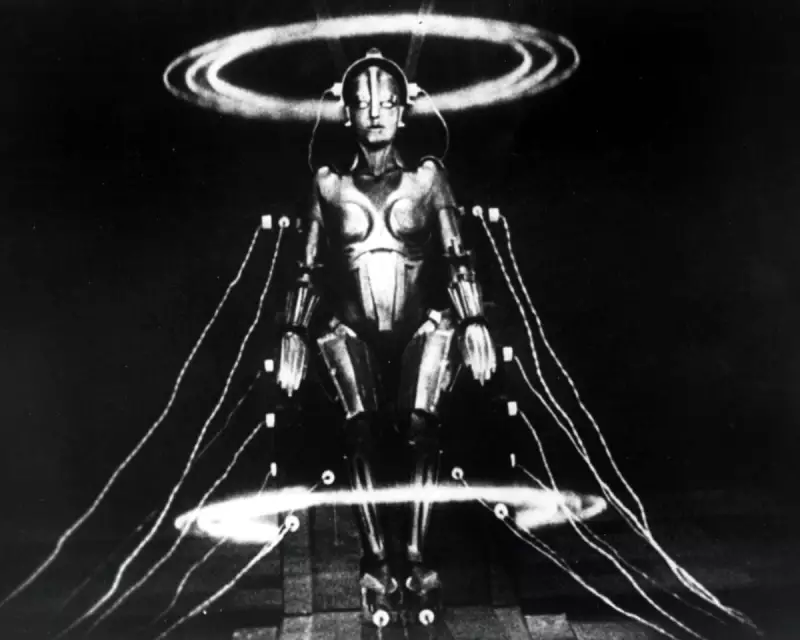
The most famous depiction of 2026 comes from a film nearing its 100th birthday: Fritz Lang's 1927 silent masterpiece Metropolis. It presents a starkly divided city where wealthy elites reside in glittering skyscrapers while a subterranean workforce toils to power the machines above. The story follows Freder, the ruler's son, whose eyes are opened to this injustice by Maria, a peaceful advocate for unity.
Intriguingly, the film features a robot—a Maschinenmensch—created in Maria's likeness not by the ruling class to control workers, but by a rogue scientist aiming to incite revolution. This inversion feels prescient in an age where AI's disruptors often come from outside traditional power structures. Lang's vision of a technologically advanced society utterly dependent on brutal manual labour chillingly prefigures modern tensions between automation and human labour rights.
Ultimately, Metropolis argues for reconciliation, famously stating "the mediator between the head and the hands must be the heart." Its optimistic plea for empathy and unity across class divides now seems more fantastical than its towering cityscapes. In an era of widening inequality, the idea that economic gaps could be bridged by compassion alone feels like a distant dream.
Lessons from the Silver Screen
So, what can these films set in our present year teach us? They are a mixed bag: some warnings are broadly applicable, others wildly off-base. They reveal our perennial fears of technological overreach, societal collapse, and our own self-destructive nature. Doom reflects anxiety about space exploration, the Marvel entries mirror narrative exhaustion, and the Apes films underscore the fragility of our social order.

Yet it is Metropolis, a century-old vision, that offers the most enduring and challenging lesson. It warns not of aliens or viruses, but of the dehumanising potential of unchecked capitalism and social stratification—a warning that feels acutely relevant in 2026. The film’s imagined technology has, in many ways, arrived. Its hoped-for heart, however, remains a work in progress. As we navigate our own complex year, these cinematic prophecies serve less as accurate roadmaps and more as mirrors, reflecting our deepest anxieties about where our choices might lead.