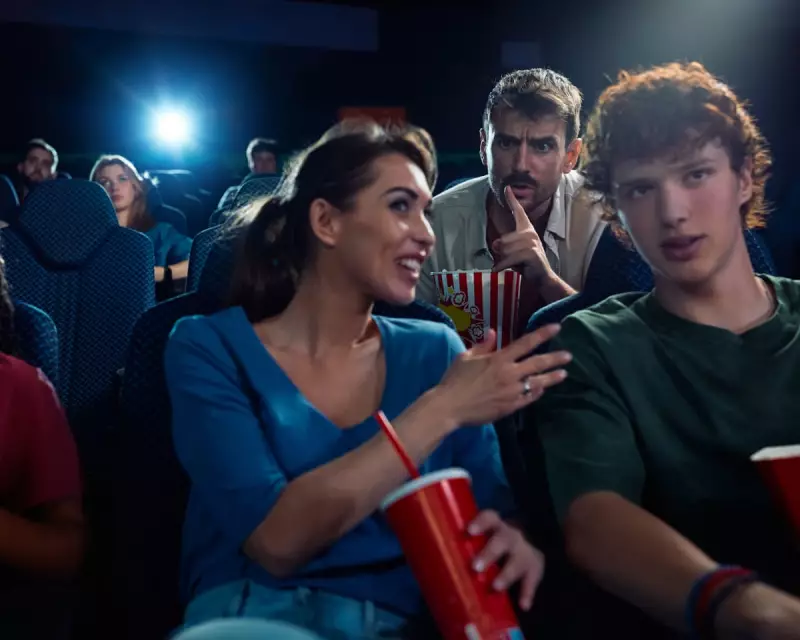
The hushed darkness of a cinema has long been sacred ground for film lovers, but a growing debate is challenging one of its most fundamental rules: is talking during a film ever acceptable?
The Great Cinema Divide
For many purists, any form of conversation during a film represents an unforgivable sin against cinema etiquette. Yet others argue context matters enormously, creating a cultural fault line running through British cinemas from London to Edinburgh.
The Trailer Truce: A Temporary Ceasefire?
One of the most contentious areas involves what many consider 'fair game' - the preview period before the main feature begins. Some cinema-goers maintain that whispered comments during trailers fall within acceptable boundaries, while others insist the social contract of silence begins the moment the lights dim.
'It's just trailers' has become the battle cry for those who see the pre-movie advertisements as communal warm-up acts rather than part of the sacred viewing experience.
When Whispers Become Warfare
The tension often peaks when different expectations collide. What one person considers a harmless murmur, another experiences as disruptive background noise that shatters their immersion in the film's narrative.
- The Quick Comment: Brief, relevant observations about what's on screen
- The Constant Commentary: Running analysis that distracts neighbouring viewers
- The Explanation: 'Whispered' plot explanations to companions
- The Reaction: Genuine, spontaneous responses to shocking moments
The Unwritten Rules of Modern Cinema
As cinema formats diversify, from standard screenings to luxury recliner experiences, the social contract continues to evolve. Some key considerations emerging from the debate include:
- Volume matters more than content: A barely audible whisper differs dramatically from a conversational tone
- Timing is everything: Comments during loud action sequences prove less disruptive than during quiet, dramatic scenes
- Audience expectation varies: A midnight horror screening often features more audience participation than a Sunday afternoon period drama
- Cinema type influences behaviour: The rules differ between multiplexes and independent arthouse cinemas
Finding Common Ground in the Dark
Perhaps the ultimate resolution lies in mutual respect and awareness. The shared experience of cinema depends on an unspoken agreement between strangers - that for two hours, we collectively agree to preserve the magic of storytelling without unnecessary interruption.
As one seasoned cinema manager noted, 'The best audiences are those who remember they're sharing the experience with hundreds of others who've also paid for the privilege of immersion.'