A Catholic priest's unwavering faith faces its ultimate test in Valley of the Shadow of Death, a compelling new Hong Kong film that explores the brutal limits of spiritual devotion. This thought-provoking fable, directed by an emerging Hong Kong filmmaker, presents a harrowing journey into religious crisis and physical penance.
A Priest's Descent Into Spiritual Turmoil
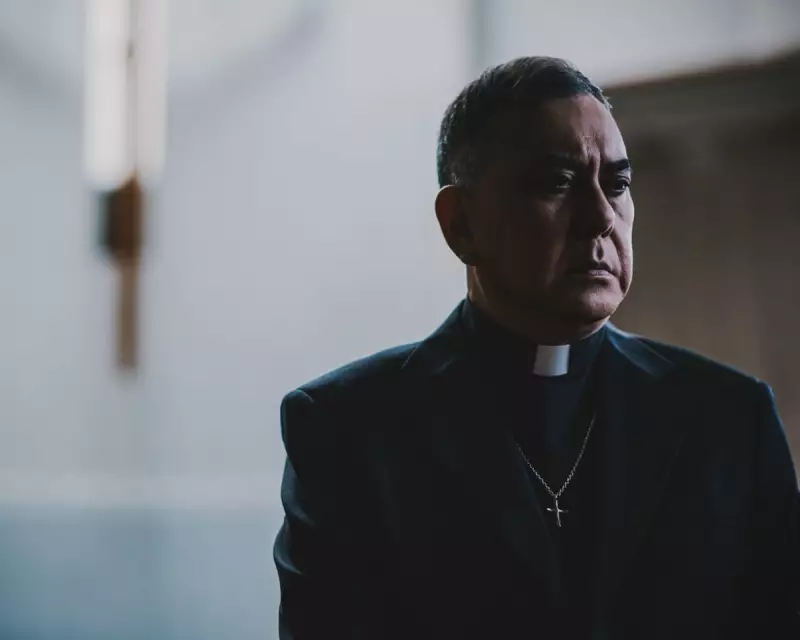
The film centres on a dedicated Catholic priest whose belief system begins to unravel under mounting pressure. The protagonist engages in extreme acts of self-flagellation, using traditional discipline tools to punish his flesh in pursuit of spiritual purity. These intense scenes are portrayed with raw authenticity, creating uncomfortable yet powerful viewing moments that challenge audiences to confront the nature of faith and suffering.
Set against the backdrop of contemporary Hong Kong, the film subtly weaves in broader social tensions without becoming overtly political. The director masterfully uses the priest's personal crisis as a metaphor for larger societal struggles, creating multiple layers of meaning that resonate beyond the immediate narrative. The atmospheric cinematography enhances the sense of spiritual claustrophobia, with shadowy church interiors and stark lighting emphasising the protagonist's isolation.
Powerful Performances Drive Emotional Impact
The lead actor delivers a tour-de-force performance as the tormented priest, embodying both spiritual conviction and profound doubt with equal conviction. His physical transformation throughout the film is particularly striking, mirroring the character's internal deterioration. Supporting cast members provide crucial emotional counterpoints, representing different aspects of faith and community that the protagonist increasingly distances himself from.
The film's exploration of Catholic traditions and rituals demonstrates careful research and respect for religious practices, even while questioning their extreme application. Scenes of mass and private devotion are filmed with meticulous attention to detail, creating an authentic portrayal of religious life that grounds the more extreme elements of the narrative in recognizable tradition.
Critical Reception and Cultural Significance
Early reviews have praised the film's courageous approach to difficult subject matter and its refusal to provide easy answers. Critics have particularly highlighted the director's sensitive handling of religious themes, avoiding sensationalism while maintaining emotional intensity. The film represents an important contribution to Hong Kong's cinematic landscape, demonstrating the region's continued ability to produce challenging, artistically ambitious work.
The timing of the film's release adds another layer of significance, arriving during a period of global uncertainty and spiritual questioning. Many viewers will find parallels between the priest's personal crisis and broader contemporary anxieties about meaning, purpose, and how to maintain faith in troubled times. The film ultimately leaves audiences with profound questions rather than neat resolutions, encouraging continued reflection long after the credits roll.
While not an easy viewing experience, Valley of the Shadow of Death offers rich rewards for those willing to engage with its challenging themes. The film stands as a testament to Hong Kong cinema's enduring power to explore complex human experiences with intelligence, compassion, and artistic bravery.