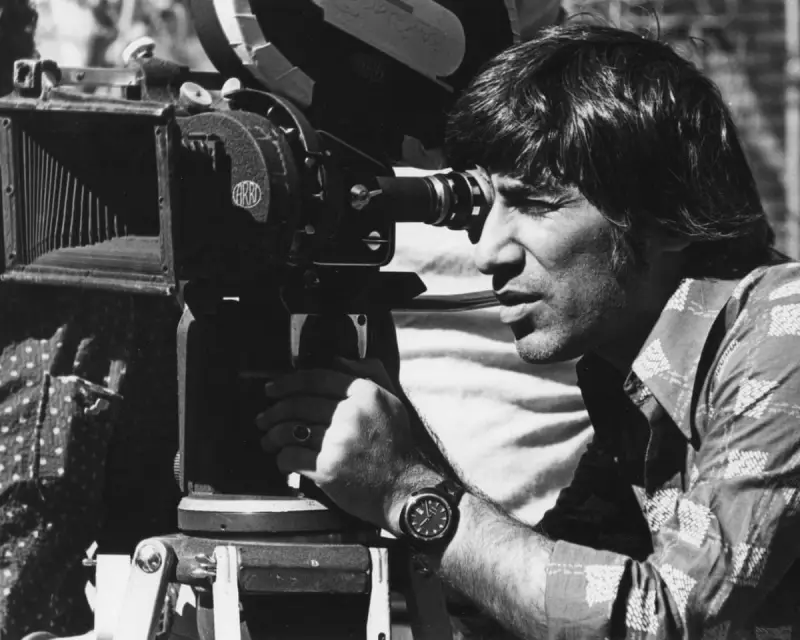
The world of cinema and theatre has lost one of its most profound voices with the death of Bahram Beyzaie, the celebrated Iranian playwright, director, and scholar. He passed away on 28 December 2024 at his home in California, United States, at the age of 86. His death marks the end of an era for a creative force who, despite living in exile for years, remained deeply connected to the cultural soul of Iran.
A Legacy Forged in Myth and Modernity
Born in Tehran in 1938, Bahram Beyzaie's career was a lifelong excavation of Persian history, folklore, and mythology, which he masterfully wove into narratives that spoke to contemporary struggles. He was a central figure in the Iranian New Wave cinema movement, a group of filmmakers who brought a new artistic depth and social consciousness to the country's film industry in the 1960s and 70s.
His groundbreaking 1977 film, The Crow, is often cited as a masterpiece. It tells the story of a man who returns to his ancestral home, only to be mistaken for a long-lost relative. The film is a powerful allegory for displacement and identity, themes that would resonate throughout Beyzaie's life and work. Other seminal works include Downpour (1972) and The Journey (1972), which cemented his reputation for visual poetry and complex character studies.

Beyond cinema, Beyzaie was a revolutionary playwright. His plays, such as The Story of the Hidden Moon and The Death of Yazdgerd, challenged theatrical conventions and delved into Iran's pre-Islamic and Islamic history to critique power and explore existential questions. He was also a respected academic and researcher, authoring significant works on ancient Iranian theatre and traditional performance arts like ta'zieh (passion plays) and puppet theatre.
Exile and Enduring Influence
Following the 1979 Iranian Revolution and the subsequent Iran-Iraq war, Beyzaie's situation became increasingly difficult. Despite initial periods of work, official pressure and restrictions on his art grew. In 2010, after being prevented from making films and facing personal threats, he left Iran for the United States, where he took up a teaching position at Stanford University.
His physical distance from Iran did not diminish his cultural impact. As noted by scholars and contemporaries, Beyzaie became, in a poignant twist, "the most culturally Iranian of all Iranians" to have died far from his homeland. His work continued to be a touchstone for artists and intellectuals, serving as a vital bridge to a rich cultural past and a critical lens on the present.
In exile, he continued to create, directing plays with Iranian diaspora communities and working on projects like the film When the Moon Was Full (2019). His wife, the renowned actress Mozhdeh Shamsai, was a constant collaborator and supporter throughout his career and exile.
A Towering Figure Remembered
The news of his death has prompted an outpouring of tributes from across the globe, particularly from the Iranian artistic community. Filmmakers, actors, writers, and scholars have hailed him as a peerless auteur, a mentor, and the true guardian of a certain strand of Iranian cultural memory. His passing is seen not just as the loss of an individual artist, but as the closing of a major chapter in Iran's modern cultural history.
Bahram Beyzaie's body of work stands as a monumental achievement. He successfully synthesised ancient myth with modern cinematic language, creating a unique and enduring aesthetic. He explored universal themes of love, death, justice, and belonging, all rooted in a specifically Iranian context. While he spent his final years in California, his artistic heart and legacy remain inextricably linked to the stories and soil of Iran, ensuring his place as one of its greatest ever cultural figures.