As the calendar flips to 2026, a year that has long served as a futuristic setting for Hollywood storytellers, we find ourselves living in a reality shaped by artificial intelligence and technological leaps that often feel unnervingly dystopian. The question arises: did the film industry, with its myriad visions of this specific year, offer us any prescient warnings about the world we now inhabit?
Mars, Marvel and Simian Uprisings: 2026's Cinematic Landscape
According to the 2005 video game adaptation 'Doom', this is the year humanity discovers a portal to an ancient city on Mars, establishing a research facility. While the film's most horrific events—involving mutant creatures—are slated for 2046, its premise taps into a persistent cinematic anxiety about the red planet. From Ghosts of Mars to Mission to Mars, film has rarely portrayed our celestial neighbour as a beacon of uncomplicated hope.
Meanwhile, the sprawling Marvel Cinematic Universe has, through a series of narrative time-jumps, positioned several of its recent entries in 2026. This includes the cosmic adventures of Guardians of the Galaxy Vol. 3, but also less-celebrated outings like the Secret Invasion series and Ant-Man and the Wasp: Quantumania. The latter offerings suggest a year of frustrating narrative wheel-spinning, a meta-commentary that may feel all too familiar to audiences navigating today's complex media landscapes.

Eerie Parallels: Apes, Pandemics and Social Division
Perhaps the most chillingly relevant depiction comes from 2014's 'Dawn of the Planet of the Apes'. The film's timeline, beginning around 2016, sees a devastating virus decimate humanity and enhance ape intelligence by 2026. The end-credits sequence of its predecessor, Rise of the Planet of the Apes, which showed the virus spreading globally circa 2019, now feels eerily prophetic following the very real COVID-19 pandemic.
While our reality hasn't mirrored the film's total societal collapse, Dawn's core warning remains potent: it pessimistically suggests that entrenched conflict is inevitable, driven by those who appeal to our worst instincts. In an era of polarised politics, this cinematic lesson about the fragility of coexistence feels uncomfortably resonant.
The Century-Old Vision: Fritz Lang's 'Metropolis'
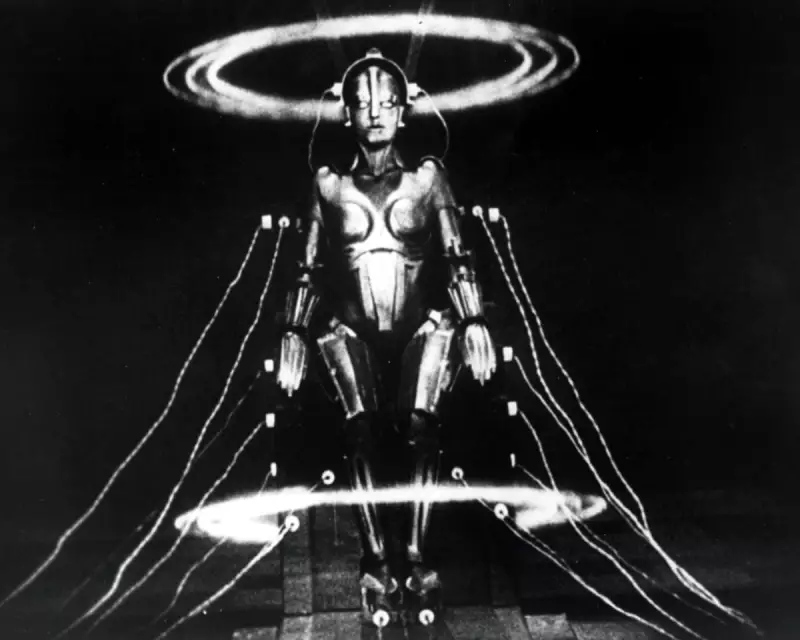
The most iconic vision of 2026 remains Fritz Lang's 1927 silent masterpiece 'Metropolis'. It presents a starkly divided city where elites reside in glittering skyscrapers while a subterranean workforce toils to power the machines above. The film's plot involves a robot duplicate of the activist Maria, created not by the ruling class but by a radical scientist seeking to burn the system down.
Lang's vision gets several things startlingly right. It foresaw a world where advanced technology still relies on exploited manual labour—a concept that echoes in modern discussions about AI's impact on jobs and corporate profit. The film's climax, however, proposes that the chasm between the 'haves' and 'have-nots' can be bridged by compassion and understanding. A century later, with wealth inequality a defining issue, that optimistic resolution can seem more fantastical than the film's towering art-deco cityscapes.
From Martian portals to ape revolutions and mechanised class warfare, cinema's 2026 has been a year of cautionary tales. These films collectively warn of technological hubris, social fracture, and the perils of ignoring the fundamental needs of the many. As we navigate our own 2026, their exaggerated fictions serve as a stark mirror, reflecting timeless anxieties about progress, power, and what it means to be human in an increasingly automated age.