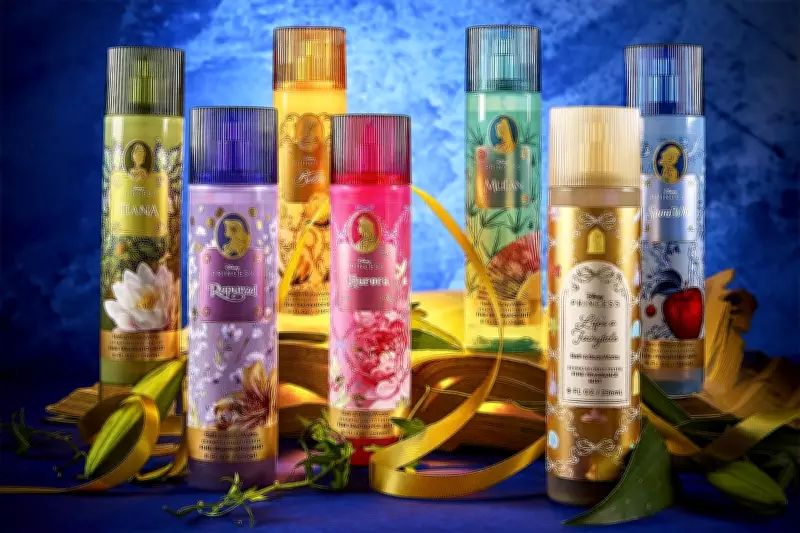
The release of Bath & Body Works' Rapunzel-themed body cream has ignited a lively discussion among fragrance enthusiasts and cultural commentators, particularly regarding its unique 'glowing sundrop flower' scent. This aroma, inspired by the beloved Disney character, has prompted questions about its olfactory profile, leading to mixed reactions from consumers and critics alike.
Initial Impressions and Medicinal Notes
Upon first sniff, some individuals have described the scent as having a distinct medicinal quality. One observer noted, "I feel like it's trying to be really floral, but it's medicinal smelling," highlighting a potential disconnect between the intended floral notes and the actual sensory experience. This feedback suggests that the fragrance may evoke memories of antiseptic or herbal remedies rather than the expected light, blooming flowers.
Brand Intent and Floral Interpretation
According to Bath & Body Works, the scent is meticulously crafted to mirror Rapunzel's "vibrant and optimistic personality." The brand aims to capture the essence of her cheerful and hopeful nature through this aromatic blend. In contrast to the medicinal critiques, other users have praised the cream for its light, floral undertones, which they believe successfully convey the character's spirited demeanor. This divergence in perception underscores the subjective nature of fragrance and how personal associations can shape one's interpretation.

Consumer Reactions and Market Response
The debate over the 'glowing sundrop flower' scent has not deterred interest in the product, which remains available for purchase at approximately $19 from Bathandbodyworks.com, though prices may vary depending on location and promotions. The ongoing conversation has likely increased visibility for the item, drawing in curious buyers eager to experience the controversial aroma for themselves.
As discussions continue, it becomes evident that scent preferences are highly individualized, with some embracing the unique blend and others seeking more traditional floral fragrances. This incident serves as a reminder of the challenges brands face when translating fictional elements into tangible products, especially in the competitive beauty and personal care market.