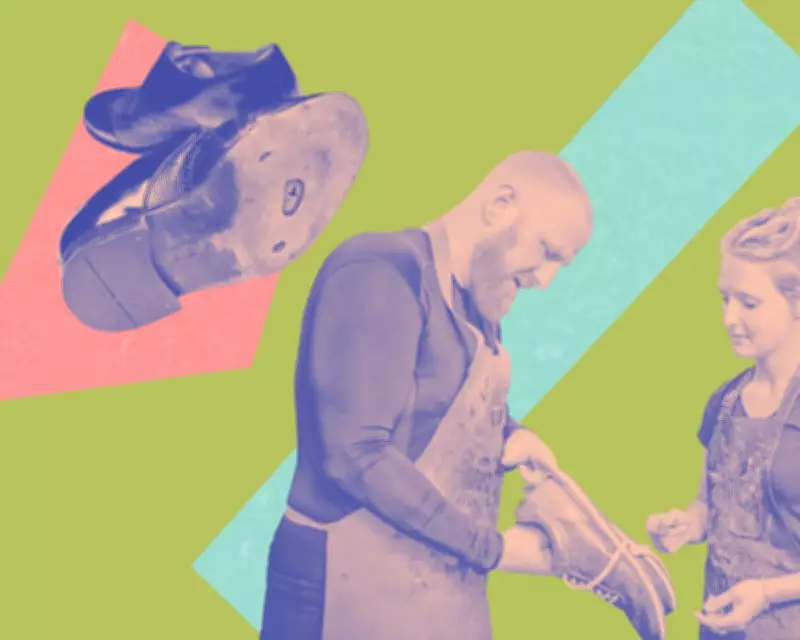
Cobblers' Expert Guide to Prolonging Your Footwear's Life
In an era where trainers dominate daily wear and shoes are often discarded hastily, the art of shoe maintenance is fading. However, preserving your favourite pairs can save money and reduce waste, with the UK sending a staggering 149 million pairs to landfill each year. We consulted professional cobblers for their top dos and don'ts to keep your footwear in prime condition.
Embrace Repairs: Almost Anything Can Be Fixed
Joey Cope, owner of Cobbler Cope in Newquay, emphasises that neglect is a major culprit in shoe deterioration. "We just kick them off our feet, and they endure cycles of wet and dry, which takes a toll," he says. Chris Hulse of Sole and Trail in Kendal adds that most shoes can be salvaged with simple repairs, like gluing or stitching, often costing as little as £4 and extending life by over a year. From patching holes to reinforcing splits with leather, cobblers can handle even vegan shoes made of rubber or plastic, with resoling trainers becoming a popular, cost-effective option.
Smart Shopping and Immediate Care
When purchasing shoes, Cope advises prioritising quality over comfort alone. For leather footwear, check for leather lining and avoid cardboard insoles, which shorten lifespan. Vegan shoes require extra scrutiny; opt for sturdy soles and ample padding. Trish Clarke, known as The Lady Cobbler in Morecambe, suggests charity shops or resale platforms like Vinted for affordable, well-maintained leather pairs. Antony Frith of The Shoe Healer in Doncaster recommends adding a thin rubber cover sole to new leather-soled shoes for enhanced durability and grip, preventing slips on wet surfaces.

Nourishment, Rotation, and Prevention
Leather shoes need regular feeding with oils to maintain suppleness and prevent drying, unlike plastic ones that merely require wiping. Rotating between pairs allows midsoles to decompress and dry, significantly extending their life. Hulse notes, "Two pairs last three times as long," while Frith advocates wearing walking shoes to work and changing into dress shoes to avoid scuffs. Preventative measures, such as toe and heel protectors, are crucial; don't wait until damage occurs, as worn-down heels can become irreparable.
Cleaning, Polishing, and Proper Drying
Regular cleaning removes abrasive dirt that breaks down shoes. Use a damp cloth with warm water for trainers, avoiding washing-up liquid. Rediscover polishing with high-quality brands like Famaco or Saphir, applying sparingly and focusing on key areas. Never use a washing machine or tumble dryer, as heat and detergents can melt glue and damage components. For drying, avoid direct heat; instead, stuff shoes with newspaper or use wooden shoe trees at room temperature to preserve shape and integrity.
Addressing Odours, Squeaks, and Storage
Stinky shoes can be revived with deodorisers or professional cleaning machines. Squeaks often result from moisture-induced separation and are fixable by cobblers. Avoid using improper glues, which complicate repairs. Use a shoehorn to prevent back damage, and replace tatty laces to refresh appearance. Store shoes in their original boxes to protect from sunlight and absorb moisture, a habit Frith praises as a sign of careful ownership.
By following these expert tips, you can reduce waste, save money, and enjoy your footwear for years to come, contributing to a more sustainable fashion cycle.