Forget drastic chops and high-maintenance styles. The hair trend set to define 2026 is all about soft, wearable, and effortlessly chic shapes. Leading industry stylists are pinpointing one particular cut as the next major movement: the 'Curve Cut'.
What Exactly Is The Curve Cut?
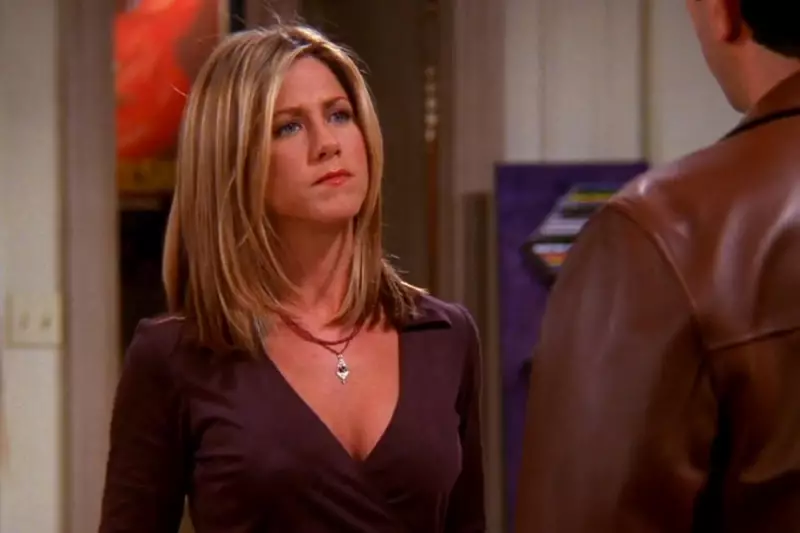
This isn't a rigid, geometric style. The Curve Cut is characterised by its soft, rounded internal layers that create natural volume and movement. The magic lies in its face-framing ability; the layers are meticulously cut to follow the natural contours of the face, enhancing the wearer's bone structure without looking overly styled or 'done'.
Celebrity hairstylist Paul Windle, who has worked with stars like Florence Pugh, is a key proponent. He describes it as a cut that "grows out beautifully" and is designed for real life, not just the red carpet. The technique focuses on internal layering to remove weight and allow the hair to fall in a soft, curved shape around the head and face.

Why It's Set To Dominate 2026
The Curve Cut's predicted rise to prominence is rooted in a broader shift in beauty attitudes. Following years of complex routines and dramatic transformations, there's a growing demand for low-maintenance, high-impact style. This cut delivers exactly that.
"It's a very British sensibility," explains Windle. "It's that idea of looking like you've made an effort, but not too much of an effort." The cut works with the hair's natural texture, whether it's straight, wavy, or curly, making it a universally flattering option. It requires minimal daily styling, aligning perfectly with the modern desire for efficiency and authenticity.
Another driving force is the move towards personalisation over prescriptive trends. Unlike a one-size-fits-all bob or blunt fringe, the Curve Cut is entirely tailored. The placement of the soft layers is dictated by the individual's face shape and hair type, ensuring a unique result for every client.
How To Ask For It At The Salon
If you're planning a salon visit with this trend in mind, communication is key. Don't just ask for a 'Curve Cut' by name. Instead, describe the desired effect to your stylist.
Focus on requesting soft, face-framing layers that follow your jawline and cheekbones. Emphasise that you want internal layers for movement and volume, not a heavy, perimeter-based shape. Bring reference photos that showcase rounded, soft shapes rather than sharp, angular cuts. A good stylist will understand the need to tailor the technique to your specific hair density and texture.
As we look towards 2026, the message from the top of the hair industry is clear: the future is soft, personalised, and wonderfully wearable. The Curve Cut represents a move away from high-drama hair and towards intelligent, flattering cuts that celebrate individual beauty with minimal fuss.