Demna's Provocative Vision for Gucci Unveiled in Milan
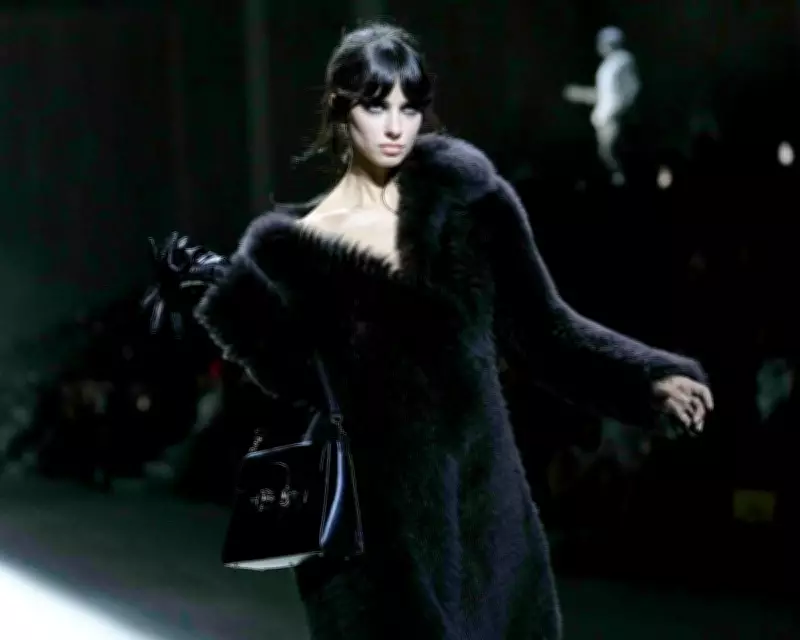
In a bold departure from expectations, Demna's inaugural Gucci catwalk show in Milan on Friday afternoon delivered a provocative fusion of Renaissance art references and contemporary streetwear sensibilities. The designer, known as fashion's dark lord of apocalyptic streetwear, presented a collection that deliberately flirted with bad taste, featuring extremely short and tight dresses, lapdance-bar tinsel hair extensions, and even a diamante G-string worn by Kate Moss.
A Surprising Walk-of-Shame Vibe
The overall atmosphere carried what many described as a walk-of-shame vibe, which came as a surprise given Demna's pre-show statement citing Botticelli's early Renaissance paintings as inspiration. Backstage, the designer explained this juxtaposition, emphasizing his desire to restore Gucci's cultural relevance. "Gucci is part of Italian culture – like Botticelli, like Michelangelo," Demna stated. "But cultural relevance always starts with underground culture, not with the mainstream, even with a big brand. Gucci has to be fearless."
Among the notable moments was model Emily Ratajkowski periodically adjusting disco-ball sequins to cover her bottom while walking the runway, and another model scrolling through his phone from a bumbag during the presentation. The audience, which included fashion icons like Donatella Versace and Paris and Nicky Hilton, witnessed a collection that defied predictions of oversized bomber jackets with monograms.

Demna's Personal and Professional Transformation
After the show, Demna reflected on his creative journey, revealing a shift from intellectual to emotional design. "For 10 years, I was trying to prove I was smart. At Gucci, I have the freedom to create from an emotional standpoint, not an intellectual one," he said. He added that he is currently happier and healthier than ever, partly due to "falling in love with myself, which I never was before."
The invitations for the event were delivered in plush black velvet-padded jewellery boxes, symbolizing priceless diamonds and announcing the show as "Gucci by Demna" – a significant break from luxury house etiquette that typically avoids sharing top billing with employees. This move underscored Demna's empowered position within the brand.
Historical Context and Industry Implications
Fashion history supports Demna's bold approach, as Gucci's most successful eras have been its most daring. Under Tom Ford, the brand was compellingly slutty-yet-aloof, while Alessandro Michele's tenure embraced gender-fluid and vintage-curious designs that connected fashion to pop culture. In contrast, the recent brief reign of Sabato De Sarno was widely criticized for playing it too safe.
Despite the provocative elements, Demna incorporated wearable pieces such as high-waisted jeans, leather tailoring, a navy peacoat, and pointy boots, balancing shock value with commercial appeal. The stakes are high for both Gucci and the wider fashion industry. Gucci serves as the cash cow for Kering, and years of underperformance have weakened the group, which in turn negatively impacts the industry's innovation and support for esoteric brands.
Financial and Cultural Impact
Demna's appointment has already shown positive financial signs. Earlier this month, Gucci's sales fell less than expected – a 3% decrease in the final quarter of last year, following a 4% decrease in the previous period – leading to a 15% rise in Kering's share price. However, Demna's career has not been without controversy; at Balenciaga, he faced backlash over advertisements featuring teddy bears in bondage, despite earlier praise for emotionally charged shows referencing his refugee background.
Whether Demna's era at Gucci will prove to be a heavenly marriage or a mutual self-destruction pact remains to be seen. What is certain is that his debut has ignited discussions about fashion's future, blending historical artistry with modern edge in a way that promises fireworks for seasons to come.