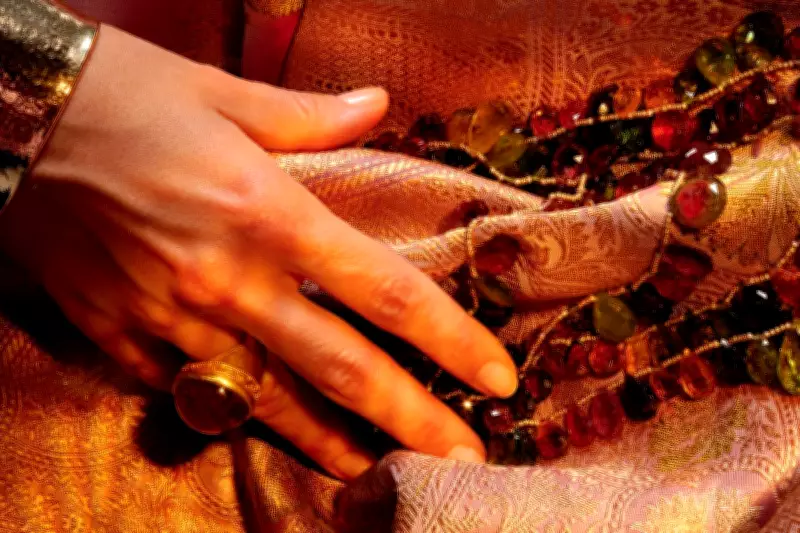
Desert Diamonds: The Understated Luxury Trend Taking Jewellery by Storm
High-shine sparkle is officially out, while earthy, natural tones are firmly in. The latest trend sweeping the jewellery world is 'Desert Diamonds' – a term coined by luxury jewellery house De Beers – representing a significant departure from the icy brights and perfect cuts that have long dominated accessories.
The Rise of Earthy Elegance
While earth tones, fringe details and suede textures have been transforming fashion runways, desert diamonds represent the natural evolution from boho-chic styles. These pieces draw inspiration from the natural colour palette of sand, honey, khaki and mocha, creating a warmer, more subtle alternative to traditional diamantes.
Marisa Hordern, founder and creative director of Missoma, identifies this trend as part of a broader cultural shift. "Rather than chasing perfection, these stones embrace character," she explains. "Their warmth, inclusions and softer, sand-toned hues make their individuality immediately visible. You don't need to question provenance or process – the uniqueness is there on the surface."

The value of these pieces is immediately apparent without explanation, demonstrating an easier and more relaxed approach to wearing sparkle that resonates with contemporary fashion sensibilities.
Why Earthy Jewels Are Trending Now
While jewellery has long been dominated by well-cut diamante tennis bracelets and minimalist metals, consumer taste is moving decisively in a different direction. "There's a shift away from high-shine perfection towards more earthy texture, depth and low-key styling," says Hordern. "Desert diamonds offer a way of wearing diamonds that feels subtle rather than showy."
This subtlety forms a crucial part of their appeal. These pieces still signal luxury, but without the performative edge that has begun to feel out of sync with the current cultural mood. "They're luxurious, but not loud – confident, but unassuming," Hordern elaborates. "It's a quieter expression of value, and one that feels very relevant right now, when the political landscape is volatile, the economy uncertain and consumer confidence is down."
Caron Bluestone, founder of Caravan of Stones, agrees that this trend prioritises warmth and individuality over flashy styles. "There's a clear shift towards jewellery that feels more natural and individual, rather than overtly uniform," she observes. "Earthy tones and organic finishes reflect a broader move in luxury towards pieces that feel personal rather than pristine."
In uncertain times, this understated approach reads as genuine confidence rather than ostentation.
The Growing Appeal of Imperfection
What unites desert diamonds, salt-and-pepper stones and raw crystals is their deliberate refusal to look identical. In a market flooded with flawless finishes, imperfection has gradually become a sophisticated marker of taste. "Raw, imperfect stones resonate because they feel one-of-one," says Hordern.
These imperfect stones offer authenticity that modern consumers increasingly value. As Bluestone notes, "Consumers are increasingly comfortable with variation and irregularity, valuing how a piece feels and looks on them rather than technical perfection alone."
This philosophical shift is reflected in how jewellery is being worn more broadly. Rather than matching sets or reserving statement pieces for special occasions, people are embracing layering, with the 'more is more' aesthetic making a significant comeback. "It's less about a perfect finish and more about how pieces come together to tell a personal story," Hordern explains.
How to Style Desert Diamonds Effectively
The biggest misconception about earthy stones is that they automatically lean into bohemian aesthetics. In reality, you don't need to adopt boho fashion to make them work – the key lies in thoughtful contrast. "While the stones themselves have an organic feel, the overall look should stay clean and contemporary," Hordern advises.
Smart wardrobe staples like a crisp white shirt with indigo denim or an asymmetric top with a relaxed blazer will complement rustic jewels perfectly. "Jewellery should feel like part of your everyday uniform," says Hordern.

Bluestone concurs, noting that "one organic or textured piece works best when paired with modern tailoring, simple knitwear or a monochrome palette."
Layering represents where desert diamonds truly excel. Warm-toned pendants can be worn alongside classic chains, beaded necklaces or seed pearls for added texture, effortlessly elevating any basic outfit.
Incorporating Desert Diamonds with Silver Jewellery
Embracing warm stones doesn't require a complete wardrobe overhaul. "You don't need to abandon silver to embrace this look," assures Hordern. Cooler desert tones – including smoky greys and salt-and-pepper stones – can work beautifully when set in silver or white metals.
Mixed-metal styles are especially on-trend currently. "They're designed to sit between worlds," she explains, "making them an intuitive update rather than a style overhaul."
Champagne or softly brushed metals provide an easy entry point. "Mixing metals, like keeping silver as a base and adding one warmer piece, helps the look feel modern," Bluestone suggests.
Best Styles to Try First
You don't need oversized boho beads to make this trend work effectively. In fact, restraint forms an essential part of the appeal. "Desert diamonds don't need oversized settings – their beauty is in the tone and texture," Hordern emphasises.
Smaller pendants represent an easy entry point, particularly when layered with existing necklaces. Rings also work exceptionally well, especially signet-style or bezel-set designs that feel organic and highly wearable.
Bluestone highlights bracelets as the underrated option for testing out this trend. "Bracelets are particularly effective because they allow texture to be appreciated up close and set off the light with every movement."
Despite their simplicity, these pared-back pieces are designed for repetition rather than special occasions – worn daily, styled differently, and gradually built into a personal jewellery language over time.