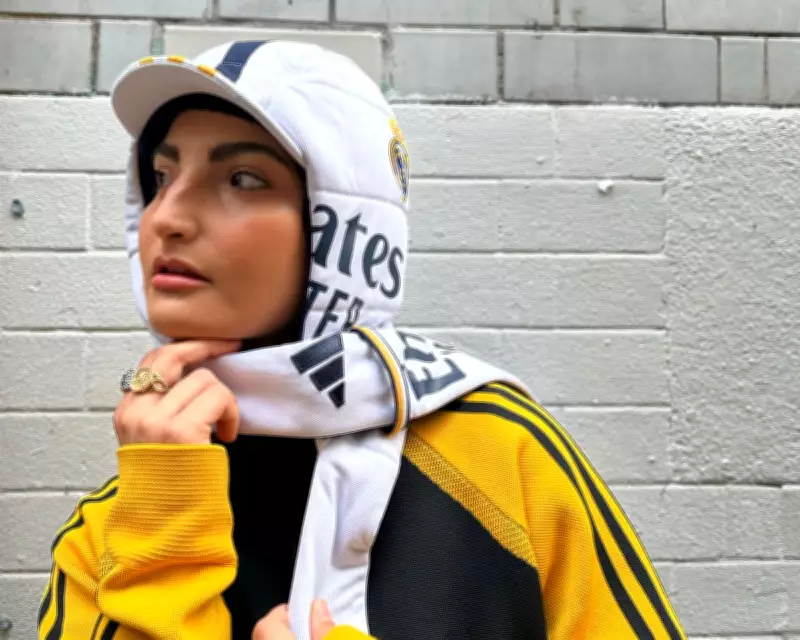
Every Shirt Tells a Story: The Creative Movement Saving Football Kits from Landfill
The beautiful game faces an ugly reality: a fast fashion problem where clubs release multiple kits each season, leading to massive waste. However, a growing trend towards upcycling old shirts and embracing vintage garments is gaining momentum, offering a stylish and sustainable solution.
The Scale of the Issue
Football's consumer culture results in staggering numbers. Uefa estimates that up to 60% of player kits are destroyed after each season, with over 1 billion shirts in circulation globally. Many are discarded by fans when players transfer, contributing to an estimated 100,000 tonnes of sports kit ending up in UK landfills annually—equivalent to 951 shirts per minute. Modern shirts, often made from virgin polyester, release microplastics and take centuries to decompose, exacerbating environmental harm.
Innovative Upcycling Solutions
Designers are stepping up to repurpose these discarded kits. Hattie Crowther's project, Soft Armour, transforms football shirts into one-of-a-kind headpieces, reframing existing products for longevity. "I'm not here to add more products into the mix," says Crowther. "I'm here to give it meaning, context, and longevity while staying culturally relevant."

Other creatives like Renata Brenha, Christelle Kocher, and brands such as (re)boot and Rose Ojo are reworking shirts into dresses, puffer jackets, and more. Vintage Threads offers a custom rework service, turning old kits into shirred tops or leather jackets, with prices reflecting fair wages for artisans. "It's definitely a more valuable way of expressing your personal style than a shirt," notes Caitlin Finan of Vintage Threads.
The Rise of Vintage and Retro Kits
Vintage football shirts are experiencing a resurgence, with searches on platforms like Depop increasing by 38% in recent months. Celebrities like Kim Kardashian and Timothée Chalamet have been spotted wearing retro kits, boosting their appeal. Gary Bierton of Classic Football Shirts highlights that "every shirt has a story," which keeps them relevant beyond club narratives.
Environmental and Economic Benefits
Extending a shirt's life by just nine months can reduce its carbon, water, and waste footprint by up to 30%, according to Green Football. Initiatives like Nottingham Forest Community Trust's workshops, where children turn shirts into tifos, embed climate consciousness in football culture. Joanna Czutkowna of 5Thread advocates for circular economy models, noting that clubs could profit from reselling pre-loved shirts multiple times. The Ellen MacArthur Foundation projects circular business models could be worth $700 billion in fashion by 2030.
Clubs Embracing Change
Some clubs are already adopting sustainable practices. Brighton partnered with upcycling brand FC88 to create accessories from misprinted youth shirts. Nicole Bekkers, founder of FC88, emphasizes that "the real impact comes when sustainability is aspirational, collectible, and desirable." This shift signals a potential broader move towards reducing production volumes and integrating circular design.
Ultimately, upcycled football kits not only benefit the environment but also showcase creativity and style, proving that sustainability can be both beautiful and impactful in the world of sports fashion.