Gucci's AI-Generated Advert Sparks Widespread Fashion Industry Fury
Italian luxury fashion house Gucci has provoked intense outrage among its fanbase and industry observers after openly disclosing that its newest advertisement was produced with significant assistance from artificial intelligence. The controversial promotional piece, intended as a teaser for the brand's upcoming 'Primavera' collection, was posted to Gucci's official X account on Monday, immediately drawing a torrent of critical responses.
A Teaser That Triggered a Storm
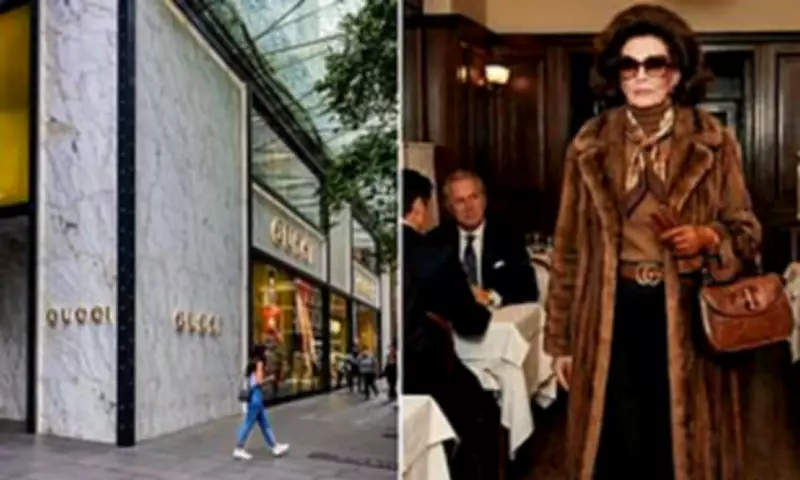
The advertisement in question depicted an older woman elegantly clad in a fur coat, walking purposefully through a sophisticated restaurant setting while young men seated at various tables gazed up at her with apparent admiration. This visual narrative was designed to build anticipation for the first collection under Gucci's new artistic director, Demna, scheduled for presentation on February 27 in Milan. However, the inclusion of a small but prominent disclosure at the bottom of the post—stating the content was 'created with AI'—rapidly transformed excitement into anger.
Fashion enthusiasts and critics flooded the social media platform with furious comments, accusing Gucci of undermining the very principles of luxury craftsmanship. One particularly incensed user declared, 'If you're going to call yourself a luxury brand and charge exorbitant prices for your products, people rightfully expect genuine artistry. Creating an advertisement with artificial intelligence constitutes a direct slap in the face to your own industry, which is supposed to celebrate highly-skilled artisans. This is precisely why nobody should take these brands seriously anymore and should instead support REAL local artists.'

Core Criticisms of the AI Approach
The backlash centred on several key arguments against Gucci's use of AI in its marketing:
- Betrayal of Craftsmanship: Many argued that luxury fashion is fundamentally about dedication to difficult, handmade techniques and passionate labour. As one commenter noted, 'I thought the whole idea of luxury was doing things the hard way—adhering to a high craftsmanship ideology. Could you not simply hire a studio, models, extras, and take an actual photograph?'
- Economic Impact on Professionals: Critics highlighted the potential job losses for creative professionals. Another scathing response stated, 'Pay photographers, models, editors, and art directors. AI-generated content is, and never will be, synonymous with true luxury.'
- Brand Integrity: Some users called for a complete boycott, with one writing, 'Throw away everything that is Gucci; it no longer represents luxury.' Another agreed, declaring, 'Disgusting. I'm not buying Gucci ever again. You're ruining the very essence of fashion!'
Further criticism pointed to Gucci's vast resources, with one follower commenting, 'Gucci… you have the substantial budget to hire real models and creatives. Do better.' This sentiment was echoed widely, questioning why a brand valued at an estimated $11.6 billion would opt for AI over traditional, human-driven artistry.
A Growing Trend in Fashion Marketing
Despite the avalanche of negative feedback, Gucci is not an isolated case in the fashion industry's exploration of artificial intelligence. Several months prior, in July, clothing company Guess also faced significant fan fury after an AI-generated advertisement was discovered within the print pages of Vogue's August issue.
The Guess campaign featured a two-page spread approximately halfway through the renowned fashion publication, showcasing a woman with long, bouncy blonde hair modelling two distinct outfits on separate pages. These images were not part of Vogue's editorial content but were paid advertisements for the Guess brand. One advertisement portrayed the AI model seated at a café table with a coffee, wearing a light blue romper adorned with mesh floral detailing, complemented by gold watch and necklace accessories from Guess. The second photo displayed the same digitally created model in a black-and-white chevron print dress, holding a matching Guess handbag in front of a 'shop' window filled with hats.

In fine print on the side of the advertisement, it was revealed that the campaign was produced by 'Seraphinne Vallora on AI.' Seraphinne Vallora is an agency specialising in designing 'editorial level AI-driven marketing campaigns and cinematic videos,' with its work also featured in prestigious magazines like Elle and Harper's Bazaar. The London-based founders, Valentina and Andreea, have stated their mission is to leverage artificial intelligence to the advantage of brands.
This advertisement emerged just one year after OpenAI and Condé Nast, Vogue's publishing parent company, announced a multi-year partnership. This deal involved allowing ChatGPT and its search engine, SearchGPT, to display content from Vogue and other Condé Nast publications such as GQ, signalling a deeper integration of AI within the fashion media landscape.
The Daily Mail has contacted Gucci for an official comment regarding the ongoing controversy, but a response is still pending. The incident highlights a growing tension within the fashion world between technological innovation and traditional values of artistry and human skill.