The End of Minimalism: Maximalism Takes Center Stage in Interior Design
Just like the controversial career of Kanye West, minimalism has been officially canceled in the world of interior design. The aesthetic that once dominated luxury homes has been replaced by a bold new philosophy: more is more. This shift leaves Kim Kardashian's famously stark living spaces looking decidedly out of fashion.
Kardashian and West's 'Futuristic Belgian Monastery'
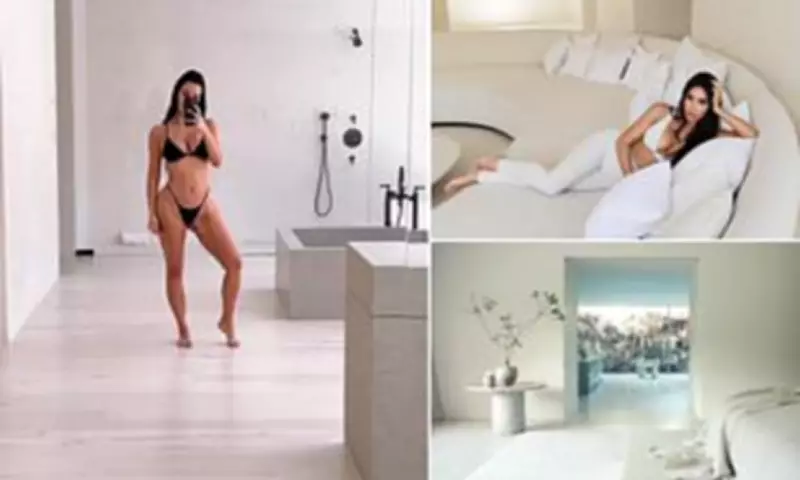
During their marriage, Kim Kardashian and Kanye West collaborated with renowned architect Axel Vervoordt on a Los Angeles mansion that Architectural Digest described as "one of the most fascinating, otherworldly and strange pieces of domestic architecture on the planet." The project took several years to complete and resulted in what West himself called a "futuristic Belgian monastery."
The home features bare white walls, white floors, white countertops, white furniture, and an all-white fireplace. Kardashian, who now lives in the gated Hidden Hills community with her four children following her divorce from West, continues to defend her minimalist choices on social media, posting images of "things at home that make me happy."

Experts Declare Minimalism Emotionally Empty
Online critics have been less kind, describing Kardashian's decor as "depressing," "a morgue," and "cold." More significantly, interior design experts warn that homes devoid of personality may struggle to sell quickly and could potentially sell at a loss.
"Minimalism has officially crossed over from high-end chic into emotionally empty," said interior designer Francesco Bilotto. "Homes that feel too sparse don't invite connection, and without connection, buyers don't want to stay there, let alone purchase."
Bilotto emphasized that when selling a home, "you're selling a vibe, a lifestyle. Most buyers want to feel warmth, personality, and a sense of life when searching for a home."
The Rise of Maximalism
In contrast to stark minimalism, maximalism celebrates vibrant colors, clashing patterns, and bold art. The style, which first appeared in the 1950s in the United States, has made several comebacks over the decades, with its biggest resurgence occurring in 2025 when experts declared it the interior trend of the year.
"People are craving connection and meaning right now," interior designer Michelle Gage told the Daily Mail. "In the case of home, designing a space that is a true reflection of you provides a sense of comfort to the homeowner."
Gage, who specializes in maximalist design, explained that "to me, maximalism is all about layers. Layers of color, pattern, texture. It's creating a home that feels warm and not sterile."
Why Maximalism Resonates Today
Interior designer Amanda Lantz has experienced a surge in maximalist requests from clients seeking more warmth at home. "People have a renewed appreciation for spaces that show a life well-lived, rather than a rinse and repeat," Lantz said. "Flat white walls just don't feel as compelling anymore."
Gage noted that "people are coming back to color. Our firm is designing a lot of homes to include walls with deep shades of paint. Rich navy tones are timeless and are a good antidote to white walls."
Experts suggest maximalism tends to resurface during uncertain times as a form of personal escape. The style allows homeowners to surround themselves with meaningful objects that evoke cherished memories.
The Intentional Approach to Maximalism
Lantz emphasized that maximalism isn't about mindless accumulation. "The key is not to simply buy more stuff. It is about being intentional with your home," she explained. "Your favorite wallpaper, pottery pieces you found on a trip abroad, a vintage quilt, framed pictures on the wall - the list goes on. The more, the better, especially with items that evoke memories of cherished people and places."
This thoughtful approach to maximalism creates spaces that photograph beautifully while also connecting emotionally with inhabitants and visitors alike. As the design world moves away from sterile minimalism, homeowners are increasingly seeking environments that reflect personality, history, and warmth.