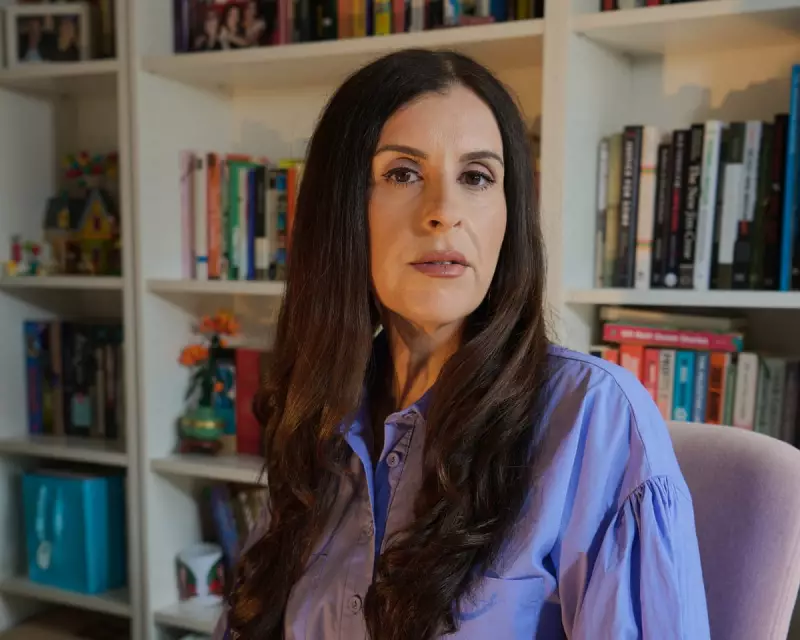
The prestigious Adelaide Festival has issued a formal and public apology to acclaimed author and human rights advocate Randa Abdel-Fattah. This follows a significant controversy after the festival's decision to withdraw an invitation for her to participate in its 2027 programme.
The Initial Invitation and Sudden Reversal
Randa Abdel-Fattah, a prominent Palestinian-Australian writer known for her novels and political commentary, was initially invited to be part of the festival's future lineup. However, in a surprising move, festival organisers later rescinded this invitation. The decision was reportedly linked to Abdel-Fattah's public views and writings on the Israeli-Palestinian conflict, which the festival management felt could potentially attract protests or security concerns.
This action sparked immediate criticism from literary circles, free speech advocates, and the public. Many saw it as an act of censorship and a concerning precedent where an artist's political stance could bar them from a major cultural platform. The festival's original stance was perceived as prioritising a desire to avoid controversy over the principles of artistic expression and robust debate.

A Public Apology and Acknowledgement of Error
Under mounting pressure, the Adelaide Festival's board and artistic leadership conducted a review. The outcome was a full apology addressed directly to Abdel-Fattah. In their statement, the festival acknowledged that disinviting the author was a mistake that contradicted the event's core values of fostering diverse voices and challenging conversations.
The apology explicitly stated that the festival's role is to provide a space for complex artistic and social discourse, not to shy away from it. They expressed deep regret for the distress and professional impact the decision caused Abdel-Fattah, recognising her as a vital and respected voice in contemporary literature and public life.
Broader Implications for Cultural Institutions
This incident has ignited a wider discussion about the responsibilities of cultural institutions in politically charged times. Critics argue that festivals must defend artistic freedom even when presented with challenging or divisive viewpoints, rather than engaging in pre-emptive silencing.
The episode serves as a cautionary tale for event organisers globally, highlighting the delicate balance between operational logistics, community sentiment, and ethical commitment to free expression. The festival's reversal and apology are seen by many as a necessary corrective step, but one that underscores the ongoing tensions within the cultural sector.
As for the 2027 invitation, the festival has indicated a renewed invitation is under consideration, aiming to rebuild trust and reaffirm its dedication to being an inclusive forum. The community now watches to see how this commitment is translated into future programming decisions and whether it leads to a more resilient policy for supporting artists engaged in difficult subjects.