Two of Australia's most prominent cultural events have been abruptly cancelled, dealing a significant blow to the country's live entertainment scene. The Sydney edition of the global SXSW festival has been shut down for good, while the much-anticipated Park Waves heavy metal tour has also been axed.
The End of SXSW Sydney
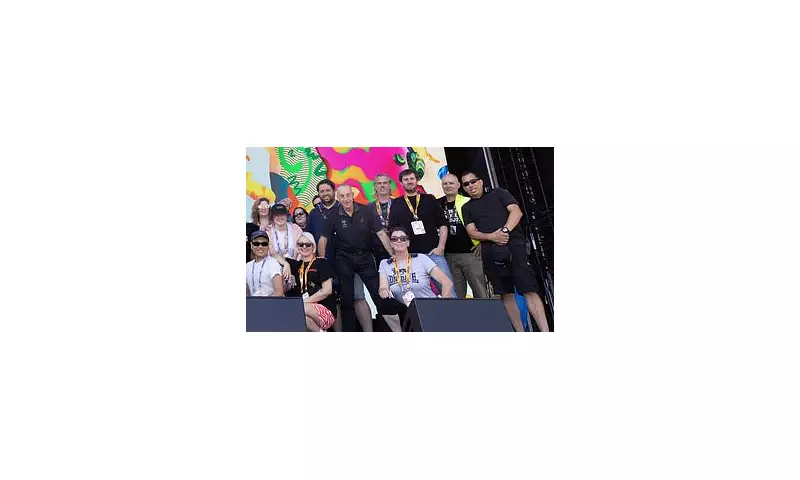
Organisers of SXSW Sydney have announced the festival will not return in 2026, bringing a premature end to its three-year run in Australia. The event, which originated in Texas and launched Down Under in 2023, explored the intersection of technology, film, music, and culture. Despite attracting over 345,000 visitors last year, organisers stated that 'prevailing market conditions' had forced the difficult decision.
In an official statement, they expressed a 'heavy heart', confirming that 'every great story has a final page'. The team had collaborated with the NSW government and festival owner Penske Media Corporation in an attempt to salvage the 2026 event. However, they cited a 'changing global environment' impacting major events worldwide as the final hurdle.

Park Waves Festival Tour Scrapped
In a separate blow to music fans, the Park Waves festival tour has also been cancelled. The outdoor event was scheduled to begin in Perth in February for an 11-show Australian tour, headlined by Byron Bay metalcore band Parkway Drive. The tour was set to visit regional centres including Bendigo, Wollongong, and Byron Bay.
Organisers explained in a lengthy social media post that the 'numbers' did not 'stack up', ultimately making the event financially unviable. They stated they were 'devastated' and had 'tried everything' before making the 'difficult decision'. All ticket holders will receive a full refund for their tickets and booking fees.
A Wider Trend of Cancellations
Parkway Drive echoed the organisers' sentiments in their own Instagram post, confirming that financial issues were central to the tour's collapse. The band's statement also pointed to a worrying pattern, referencing the many Australian music festivals cancelled in the last two years. This list includes notable events such as Groovin' the Moo, Changing Tides, and Splendour in the Grass.
These consecutive cancellations highlight the severe pressures facing the live events industry. Rising operational costs, shifting audience behaviours, and broader economic challenges are creating a perfect storm, forcing organisers to pull the plug on even successful and highly anticipated programmes. The loss of these festivals represents a significant contraction of Australia's cultural calendar.