From the euphoric rush of new love to the defiant roar of self-reinvention, the theme of starting again is a rich and enduring vein in popular music. Whether it's a personal rebirth or a collective promise of better times ahead, artists have long turned to this powerful concept. Here, we explore twenty of the finest musical examples of fresh starts, spanning decades and genres.
The Euphoria of New Beginnings
Some songs capture the unbridled joy and optimism of a new chapter. Maxine Nightingale's 1975 hit 'Right Back Where We Started From' is a three-minute blast of cod-northern soul performed by an unlikely supergroup of session musicians. Its sheer, uplifting energy is infectious. Similarly, Otis Clay's 1980 original version of 'The Only Way Is Up' infuses disco strings with a deep, gospel-tinged vocal delivery that feels genuinely triumphant.
The feeling of falling in love is masterfully rendered in Astrud Gilberto's 1969 cover of 'Beginnings', a lush, funky epic where her breathy vocal perfectly mirrors the sensation. For a more tender take, Karen Carpenter's incredible performance on 'We've Only Just Begun' (1970) transformed a bank advert jingle into a moving hymn to new love. Meanwhile, The Beatles' 'Here Comes the Sun' (1969) offers a gentle, reassuring hug of cyclical renewal, explaining its status as their most-streamed track.

Defiance and Self-Reinvention
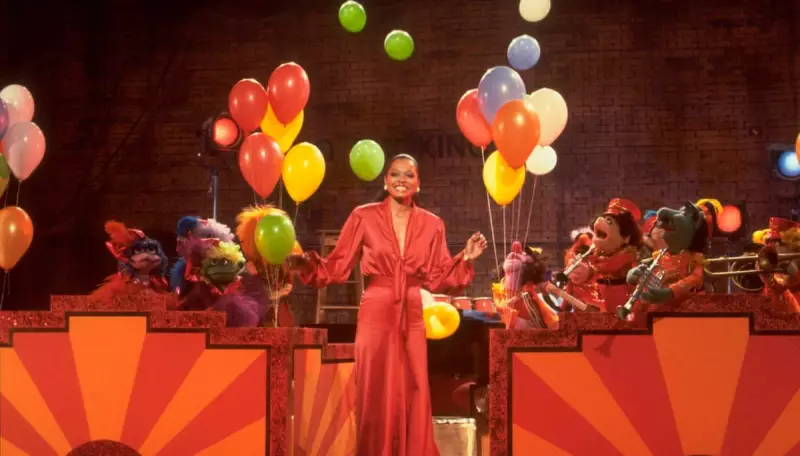
Other anthems focus on the strength required to leave the past behind. Gloria Gaynor's 'I Will Survive' (1978) remains the ultimate divorcee and queer anthem for its powerful depiction of picking oneself up. Disco legend Diana Ross's 'I'm Coming Out' (1980), written with her gay following in mind, is a pure declaration of rebirth, driven by Nile Rodgers' iconic guitar and Bernard Edwards' bassline.
Public Image Limited's 'Public Image' (1978) marked John Lydon's furious and exciting break from the Sex Pistols, sonically heralding post-punk. Peter Gabriel's 'Solsbury Hill' (1977) is a personal, smiling reflection on his decision to leave Genesis, its music subtly uplifting. On a more sombre note, Bronski Beat's 'Smalltown Boy' (1984) details the painful reasons behind a fresh start, its urgent beat holding a promise of something better.
Hope and Collective Optimism
The promise of a better future, for oneself or for society, fuels another set of tracks. Curtis Mayfield's 'Move on Up' (1970) makes striving for change sound like an exhilarating blast, its insistent brass and urging lyrics timeless. The early house classic 'Promised Land' by Joe Smooth (1987) offered a message of hope and resistance to a Black, gay audience during the AIDS epidemic.
Florence + the Machine's 'Dog Days Are Over' (2008) acknowledges the intimidating push required to leave your comfort zone, with Florence Welch's strident vocal acting as a note to self. The The's 'This Is the Day' (1983), reportedly influenced by MDMA, compellingly argues that from a certain point, life is going to get better.
Even songs born from complex personal situations can become universal anthems. Fleetwood Mac's 'Don't Stop' (1977), written by Christine McVie for her soon-to-be-ex-husband John, urges him to see their split as a new beginning. Despite its origins, its buoyant melody and persuasive performance make it preposterously effective. Finally, Nina Simone's definitive 1965 reading of 'Feeling Good' remains a masterclass in elated build-up, a world away from its later, gormless covers.
From the planned to the coincidental, the personal to the political, these twenty songs prove that the journey of starting again is one of music's most powerful and enduring inspirations.