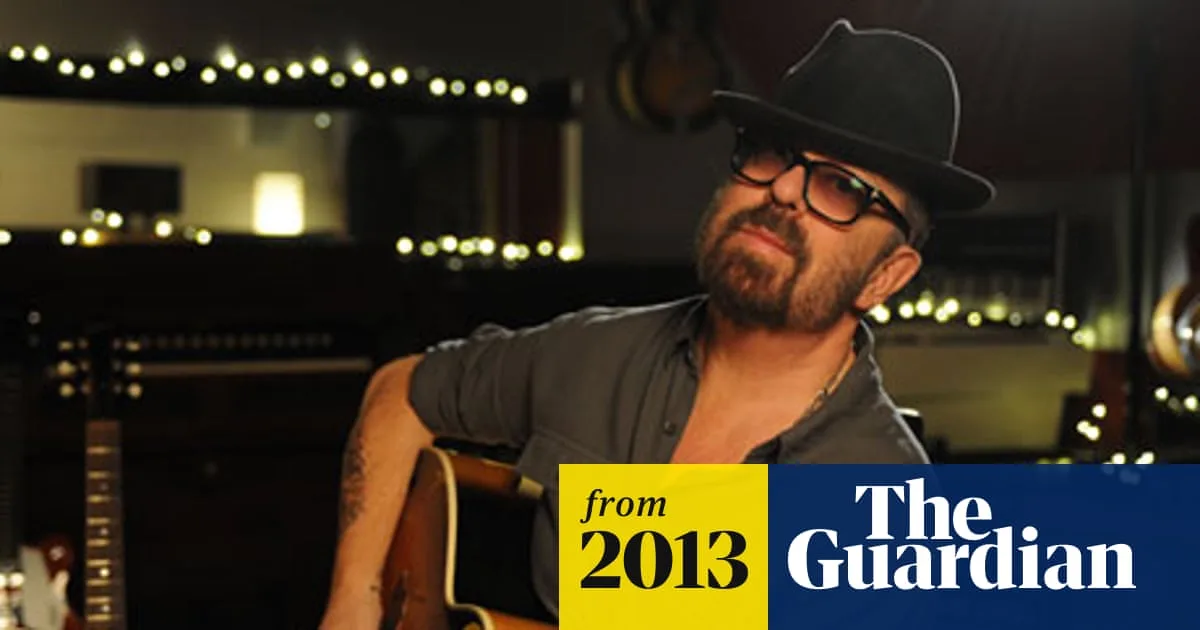
It is nearly impossible to envision the vibrant landscape of 1980s pop music without the iconic presence of Eurythmics. This era-defining musical duo was formed by the enigmatic guitarist Dave Stewart and his former romantic partner, the powerhouse vocalist Annie Lennox. Their journey to international fame began after they dissolved their initial band, The Tourists, in 1980, wholeheartedly embracing Britain's burgeoning new wave movement.
The Struggle Before Stardom
In 1981, Eurythmics released their debut album, In The Garden. However, the record failed to make any significant impact on the charts, receiving almost no promotional support from their label, RCA. Dave Stewart, now 73, candidly admits that the story might have ended right there, were it not for a pivotal intervention. At the time, Stewart and Lennox were living in a squat in London, surviving on a meager £8 per week between them. Their financial situation was dire, and their artistic ambitions seemed increasingly out of reach.
'We had a record company and made an album, but it didn’t sell and the record company thought we were nuts and wanted to drop us,' Stewart told The Times, reflecting on those challenging early days.
A Gamble in Crouch End
Holed up in the otherwise affluent north London enclave of Crouch End, Stewart made a bold decision. Despite Annie Lennox's initial dismay and skepticism, he proposed approaching a bank manager for a loan. 'I said, "Why don’t I go and see the bank manager at Barclays and explain that I want this equipment and we can make a record on that, and then make the next record too." Annie said, "The bank manager will think we’re nuts", and we did look quirky,' Stewart recalled.
It was 1982, and with their prospects looking bleak after the commercial failure of their first album, the penniless duo was determined to secure a second chance. They visited a Barclays branch and met with a young bank manager named Geoff Edwards. To their astonishment, after listening to their proposal, Edwards agreed to lend them £5,000.
The Album That Changed Everything
With this crucial financial lifeline, Eurythmics recorded their second album, Sweet Dreams (Are Made Of This). The album was produced modestly using an 8-track tape recorder at an old warehouse in Chalk Farm and at Church Studios in Crouch End. Released in 1983, it defied all expectations.
Sweet Dreams (Are Made Of This) sold over a million copies, soaring to the top of the album charts in both the United Kingdom and the United States. The album's iconic title track became one of the decade's most enduring singles, peaking at number two in the UK and securing the number one spot on America's Billboard Hot 100 chart.
A Lifelong Debt of Gratitude
Dave Stewart has never forgotten the bank manager's faith in their potential. 'On his 65th birthday I sent him a message,' Stewart revealed. 'Without him nobody would know who we were.' This £5,000 loan was, without exaggeration, the catalyst that transformed Eurythmics from struggling artists into global superstars.
The duo went on to release seven studio albums between 1981 and 1989, briefly reuniting in 1999 to record a final album titled Peace. Their influence on music and pop culture remains profound.
Legacy and Looking Forward
Inspired by his own experience, Dave Stewart is now channeling his efforts into paying this goodwill forward. He has launched a creative start-up named Rare Entity, with the mission of assisting artists, writers, and performers in bringing their innovative ideas to life.
Meanwhile, Annie Lennox, 71, recently shared insights into the duo's powerful image. She explained that her deliberate androgynous style, often featuring suits, was a strategic choice to assert equality with her musical partner and claim 'male power' for herself. She emphasized that her fashion statements were unrelated to her sexuality but were a powerful form of personal and professional expression evolved from the punk movement's influence.
The story of Eurythmics is a testament to resilience, artistic vision, and the sometimes unexpected sources of support that can alter the course of creative history. From a squat in London to international acclaim, their journey was irrevocably shaped by a bank manager's belief and a £5,000 gamble that paid off spectacularly.