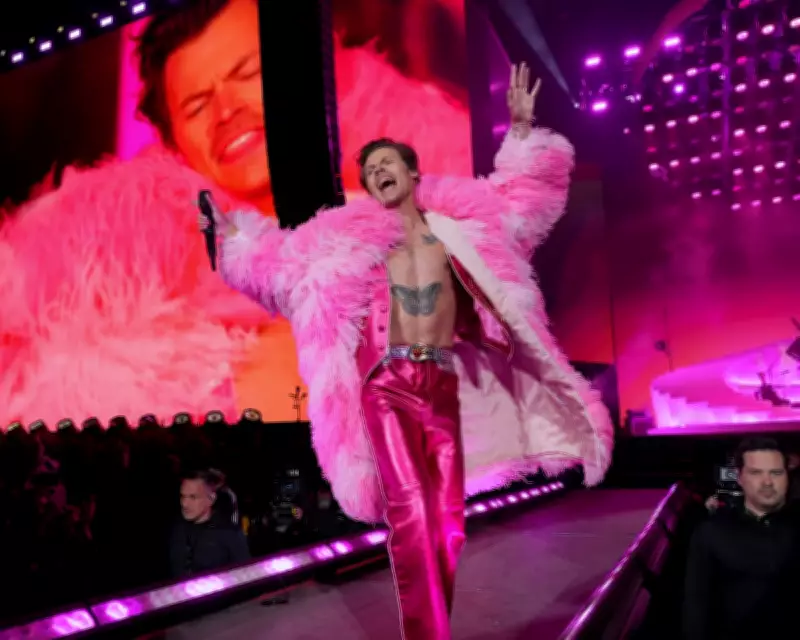
The music industry is facing renewed scrutiny as ticket prices for Harry Styles concerts reach unprecedented heights, sparking a heated debate among fans, artists, and industry insiders. This surge in costs has brought to the forefront long-standing concerns about fairness, accessibility, and the economic dynamics of live performances.
The Rising Cost of Live Music Experiences
In recent years, attending concerts by major artists like Harry Styles has become increasingly expensive, with ticket prices often soaring into the hundreds of pounds. This trend is not isolated to Styles but reflects a broader pattern in the music industry, where high demand and sophisticated pricing strategies have pushed costs upward. Fans are now questioning whether these prices are justified or if they represent a barrier to enjoying live music.
Impact on Fan Accessibility and Affordability
The escalating ticket prices have significant implications for fan accessibility. Many concert-goers, particularly younger audiences and those on lower incomes, find themselves priced out of attending events. This raises ethical questions about who gets to experience live music and whether the industry is prioritising profit over inclusivity. The situation has led to calls for more transparent pricing and measures to ensure tickets remain affordable for a diverse audience.

Artist Profits and Industry Economics
On the other side of the debate, there are arguments about the financial realities for artists and the music industry. High ticket prices can be seen as a necessary response to the costs of touring, production, and artist compensation in an era where streaming revenues often fall short. However, critics argue that this model may disproportionately benefit a small elite of top performers and ticketing platforms, rather than supporting a sustainable ecosystem for all musicians.
Broader Implications for the Music Sector
This controversy extends beyond Harry Styles to touch on wider issues in the music industry. It highlights the tension between commercial success and artistic integrity, as well as the role of technology in shaping ticket sales. The debate also intersects with discussions about secondary ticketing markets, where resale prices can skyrocket, further exacerbating affordability concerns.
Potential Solutions and Future Outlook
In response to the outcry, some suggest potential solutions such as dynamic pricing caps, fan presales, or government regulations to curb excessive costs. The future of live music may depend on finding a balance that allows artists to thrive financially while keeping concerts accessible. As the industry evolves, this debate is likely to continue, influencing how tickets are priced and sold for years to come.
Ultimately, the Harry Styles ticket price controversy serves as a microcosm of larger challenges in the music world, prompting a necessary conversation about values, economics, and the shared experience of live performance.