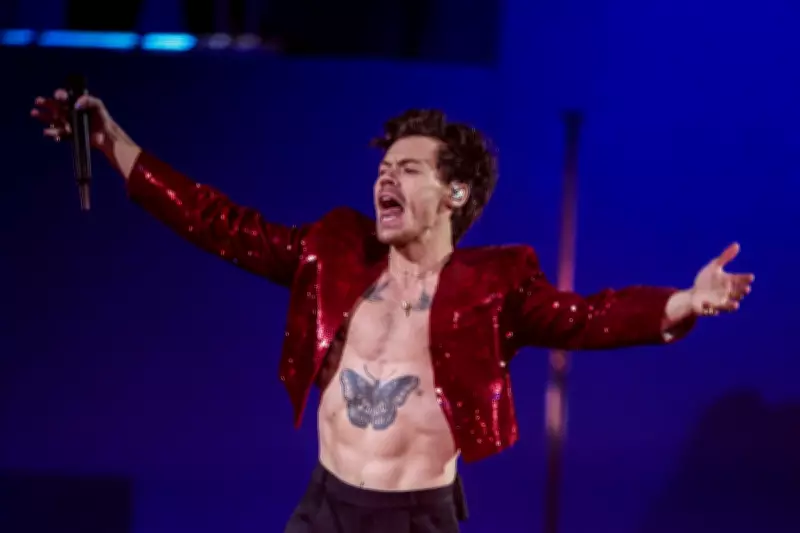
Harry Styles, the beloved UK pop star, has ignited a firestorm of controversy among his devoted fanbase as ticket prices for his upcoming 2026 stadium tour are revealed. Fans are expressing fury and disappointment, labelling the costs as exorbitant and unaffordable. However, this uproar may signal a broader discussion about the economic pressures shaping live music events in the current climate.
Record-Breaking Demand Meets Price Shock
Styles, aged 31, is set to embark on a massive tour in support of his fourth album, Kiss All the Time. Disco, Occasionally, scheduled for release on 6 March. The tour includes an impressive 12 nights at Wembley Stadium in London, surpassing Coldplay's previous record, and 30 shows at Madison Square Garden in New York City. Tickets went on general sale on Friday, 30 January, following pre-sales that sparked immediate backlash.
In the UK, seated tickets at Wembley range from £44.10 to £466.24, while standing tickets cost between £144.65 and £279.45. VIP packages escalate to £725.45. In New York, the most expensive VIP option is priced at $1,667, approximately £1,208. These figures have left many fans reeling, with thousands taking to social media to voice their distress.

Fan Reactions and Social Media Uproar
On platforms like X and Threads, fans did not hold back. One US-based fan quipped, "I fear there must be some miscommunication here. $1,000 per ticket? Taking a breath costs $20 in the economy." Another lamented, "Harry's ticket prices are so disappointing. They're only asking those insane prices because they know people will pay no matter what." Critics highlighted the irony of the tour's name, "Together, Together", when affordability is out of reach for many.
Even Liam Gallagher, no stranger to ticket pricing controversies after Oasis's reunion tour, joked that his band's prices now seem "reasonable looking back at it now". This adds to the growing chorus of discontent across the entertainment industry.
Comparing Costs: A Wider Industry Perspective
At first glance, Styles's prices appear steep, but context is crucial. For his 2023 Wembley shows, tickets ranged from £50.65 to £326.20, meaning top-tier tickets have increased by around £140. This rise mirrors broader trends in live music. For instance, Taylor Swift's Eras Tour tickets started at £58.65, with VIP packages reaching £749, while Beyoncé's Cowboy Carter tour ranged from £71 to £950.
Coldplay's upcoming tour features standing tickets at £112.75 and seated options up to £195.25, and Billie Eilish's arena tour charged £145 for standing. These comparisons suggest that Styles's pricing is part of an industry-wide escalation, driven by mounting operational expenses.
The Economic Realities Behind Stadium Tours
Stadium tours are colossal undertakings with significant financial overheads. Approximately 10% of ticket prices cover booking and processing fees plus taxes. Additional costs include venue hire, staff, power, catering, security, and transport. After these deductions, the remainder is split between the artist and promoter, with the latter typically taking 15% of the gross.
Artists must also fund their crew, including roadies, engineers, musicians, and production teams, alongside rehearsals, costumes, and set-building. Energy costs have surged, with UK bills under the 2026 price cap still 45% higher than in 2021/22, further squeezing budgets.
This issue extends beyond music, with West End shows and Premier League football matches also facing criticism over high prices, highlighting a pervasive trend in entertainment and sports.
Demand Remains Unabated Despite Controversy
Despite the consternation, demand for Styles's tour is unprecedented. Ticketmaster reported a staggering 11.5 million registrations for pre-sale tickets to his Madison Square Garden residency, marking the largest-ever presale for a single artist in the New York market. This indicates that while fans are vocal about prices, their enthusiasm remains undiminished.
In a positive note, Styles is donating £1 from every UK ticket sold to small music venues via the LIVE Trust, potentially raising around £780,000 to support grassroots music scenes. This gesture underscores the complex balance between commercial pressures and artistic responsibility.

Ultimately, the fury over Harry Styles's ticket prices reflects deeper economic challenges in the live events sector. While fans grapple with affordability, the industry contends with rising costs, making this a pivotal moment for discussions on value and accessibility in entertainment.