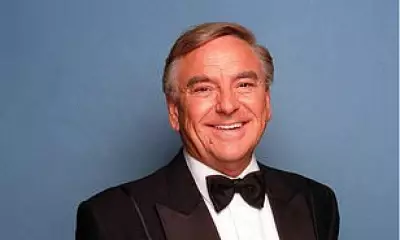
The music world is in mourning following the death of Midnight Oil drummer and songwriter Rob Hirst. He passed away at the age of 70 after a courageous fight against pancreatic cancer.
A Public Battle to Raise Awareness
The sad news was confirmed on Tuesday, less than a year after Hirst first publicly revealed his diagnosis. He had initially learned of his illness three years ago but chose to share his story in 2023 in a powerful effort to increase public understanding of the disease.
"I wanted to get the story of pancreatic cancer out there, because it's one of those cancers that most people don't really register," Hirst told The Australian last year. He highlighted that it lacks the profile of skin or breast cancers but is alarmingly on the rise.

The Sydney-born musician was undergoing ongoing treatment, having experienced a wide range of scans and therapies. "I've had pretty much every treatment known to man," he said, while expressing optimism at the time about how he felt.
A Legacy of Iconic Music and Family
Rob Hirst was a foundational member of the legendary Australian rock band Midnight Oil, performing alongside frontman Peter Garrett since 1972. He was not just the band's rhythmic engine but also a key songwriter, co-authoring anthems like "Beds are Burning," "Blue Sky Mine," and "Power and the Passion," famed for its explosive drum solo.
He leaves behind his wife, Lesley Holland, and his daughters, Gabriella and Lex. In a remarkable twist, Hirst also discovered he had an adult daughter, Australian country music star Jay O'Shea, in 2010. The pair met at Bronte Beach and forged a strong bond later in life.
The Silent Threat of Pancreatic Cancer
Hirst's decision to speak out was driven by the particularly deadly nature of pancreatic cancer. The disease is known for its aggressive growth and limited effective treatment options, resulting in a very low survival rate. Only about 10% of patients survive for five years or more post-diagnosis.
He urged vigilance, advising anyone with unexplained symptoms to seek a simple blood test. "It could be life-changing and life-extending," he said last April, reflecting on how his own diagnosis had reshaped his perspective.
His death marks the end of a significant chapter in rock history, but his campaign for awareness and his monumental musical contributions ensure his legacy will endure far beyond his years.