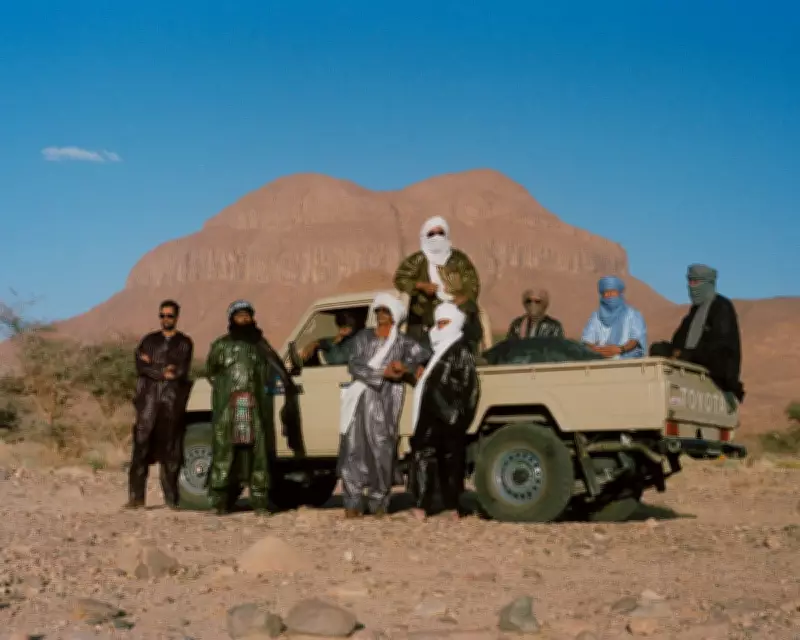
Tinariwen and Imarhan Explore the Evolution of Tuareg Desert Blues Music
In a recent interview, the iconic Tuareg bands Tinariwen and Imarhan delved into the rich history and ongoing transformation of desert blues music. This genre, rooted in the Sahara's cultural traditions, has captivated global audiences with its hypnotic rhythms and poignant lyrics.
The Roots of Desert Blues in Tuareg Culture
Tinariwen, often hailed as pioneers of the desert blues sound, explained how their music draws from centuries-old Tuareg musical practices. The band members described using traditional instruments like the tende drum and imzad violin, which are integral to their nomadic heritage. They emphasized that their songs often address themes of exile, resistance, and the stark beauty of the desert landscape, reflecting the Tuareg people's historical struggles and resilience.
Imarhan, a younger band from the same region, highlighted how they build upon this foundation while incorporating contemporary elements. They noted that their music blends electric guitars with acoustic sounds, creating a fusion that appeals to both traditionalists and modern listeners. This approach, they said, helps keep Tuareg music relevant in today's global music scene.

Modern Influences and Global Reach
Both bands discussed the impact of international exposure on their work. Tinariwen shared stories of touring worldwide, which has introduced desert blues to diverse audiences and inspired collaborations with artists from other genres. They stressed that while they embrace these opportunities, they remain committed to preserving the authenticity of their cultural roots.
Imarhan added that digital platforms and social media have played a crucial role in spreading Tuareg music beyond the Sahara. They mentioned how streaming services allow fans from around the world to discover their tracks, fostering a growing community of desert blues enthusiasts. However, they cautioned against over-commercialization, advocating for a balance that respects the music's origins.
Challenges and Future Directions
The interview also touched on the challenges facing Tuareg musicians, including political instability in the Sahel region and limited resources for artistic development. Tinariwen expressed hope that their music can serve as a voice for peace and unity, transcending borders and conflicts.
Looking ahead, both bands are optimistic about the future of desert blues. They plan to continue experimenting with new sounds while staying true to their heritage. Imarhan hinted at upcoming projects that might explore electronic influences, whereas Tinariwen aims to delve deeper into acoustic traditions.
In summary, this conversation between Tinariwen and Imarhan offers a compelling glimpse into the dynamic world of Tuareg music. It underscores how desert blues evolves through a delicate interplay of tradition and innovation, ensuring its enduring appeal across generations and continents.