Wu-Tang Clan Mourns the Loss of Oliver 'Power' Grant, Key Collaborator and Early Backer
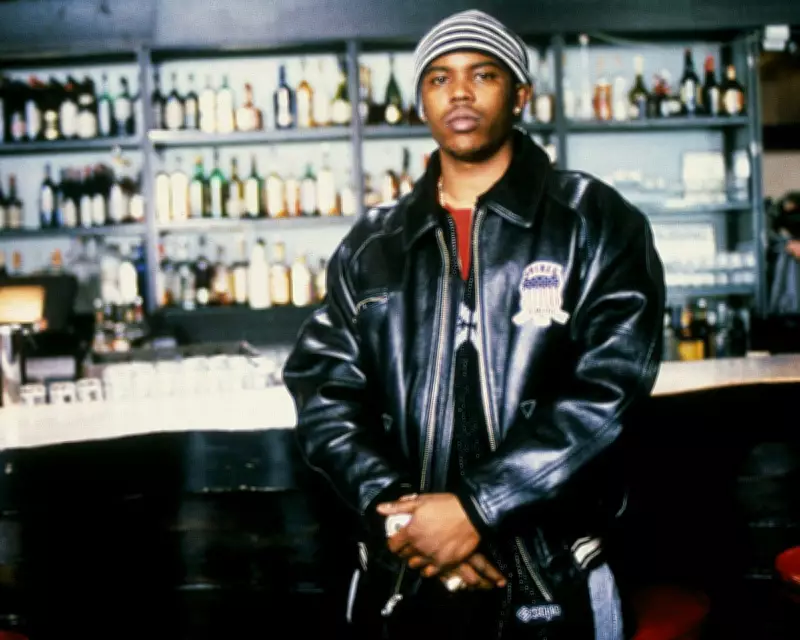
The hip-hop world is in mourning following the death of Oliver "Power" Grant, a pivotal early collaborator and backer of the legendary Wu-Tang Clan. The collective confirmed his passing at the age of 52, though no cause of death has been disclosed. In a heartfelt social media post, the group wrote, "Rest in power, Power," echoing the nickname that became synonymous with his influential role.
Tributes Flow from Wu-Tang Members
Wu-Tang Clan members have expressed profound grief and paid tribute to Grant, highlighting his indispensable contributions. Method Man shared an emotional message on Instagram, stating, "Paradise my brother safe travels! I am not okay." GZA reflected on Grant's foundational impact, writing, "Wu wouldn't have come to fruition without Power. His passing is a profound loss to us all. My deepest condolences to the fam." Raekwon posted a nostalgic photo with the group, captioning it, "We been everywhere ... now you everywhere. The most high is merciful love you."
From Chess Games to Hip-Hop Legacy
Born in Jamaica in 1973 and raised in the Park Hill projects of Staten Island, New York, Grant's journey with Wu-Tang Clan began in his youth. He earned the nickname "Power" during a chess game with the group's members, a moniker that would define his enduring partnership. Grant quickly became the group's financial backer, securing funds for their debut single Protect Ya Neck and serving as executive producer for their groundbreaking first album, Enter the Wu-Tang (36 Chambers) in 1993.

Building a Cultural Empire
Grant's vision extended beyond music into business ventures that cemented Wu-Tang Clan's cultural influence. In 1995, he oversaw the launch of Wu Wear, the group's clothing line, which grew into a multimillion-dollar enterprise. As CEO, Grant expanded the brand into department stores and opened four retail locations across the United States, with annual gross revenues reaching $25 million at its peak. In a 2011 interview, Grant described these efforts as a "hard-knock life," noting, "Everything that we learned was hard-knock life ... A lot of it was trial and error. There were no models."
Diversifying into Gaming and Acting
Beyond fashion, Grant diversified the Wu-Tang brand into other media. In 1999, he produced the PlayStation video game Wu-Tang: Shaolin Style, a fighting game that featured the group's members as playable characters, further enriching their lore. Grant also pursued acting, making his on-screen debut in Hype Williams' 1998 crime drama Belly. He appeared in the 1999 film Black and White alongside Ben Stiller and Robert Downey Jr., and had roles in the 2004 mob drama Coalition and the unreleased Wendy Williams biopic Queen of Media.
Legacy and Revival of Wu Wear
In 2008, Grant rebranded the clothing line as Wu-Tang Brand to combat widespread counterfeiting of the original Wu Wear. Later, in 2017, he and RZA relaunched Wu Wear in partnership with Live Nation Merchandise, demonstrating his ongoing commitment to the group's legacy. Grant's multifaceted career—spanning music production, fashion, gaming, and acting—showcases his role as a key architect behind one of hip-hop's most iconic collectives.
As tributes continue to pour in, the music community remembers Oliver "Power" Grant not only as a business savvy collaborator but as a foundational figure whose efforts helped shape the sound and culture of Wu-Tang Clan. His death marks a significant loss for hip-hop, leaving behind a legacy that will resonate for generations to come.