In a striking display of perceived hypocrisy, veteran broadcaster David Dimbleby has come under fire for his final, scathing television critique of the British monarchy. The episode, titled 'What's The Monarchy For?' on BBC1, saw Dimbleby accuse the Royal Family of manipulating history, only for critics to highlight his own programme's glaring omission.
The Accusation: Royal 'Perpetuity Edits'
Dimbleby dedicated the opening five minutes of the documentary to a fierce condemnation of the palace's media strategy. He focused on the state funeral of Queen Elizabeth II in 2022, revealing that broadcasters had received specific instructions from the palace on footage that must never be used again.
These so-called 'perpetuity edits' included shots of the Royal Family mouthing the Lord's Prayer and a moment where Prince George touched his nose. Dimbleby branded these omissions as 'little excisions from reality' and invoked George Orwell, complaining, 'They remove from the world anything they don't particularly like. Never to be seen again. It happened, it's reality, but no longer. Cut out!'

The Glaring Omission: An 'Unperson' at the BBC
The documentary's high-minded stance quickly unravelled, however. When illustrating the news of the Queen's death, the show used a collage of 'breaking news' announcements from various BBC presenters. Conspicuously absent was Huw Edwards, the news anchor who delivered the first official confirmation of Her Majesty's passing to an audience of nearly 10 million live viewers on BBC1.
Since that historic broadcast, Edwards has been convicted of child sex offences and effectively erased from the BBC's narrative—a modern-day 'unperson' in Orwellian terms. His complete excision from the documentary's montage was a direct parallel to the royal 'perpetuity edits' Dimbleby had just lambasted, leading many to cry hypocrisy.
Selective History and Thin Skin
The programme's critique extended to King Charles III, examining his 1994 attempt to garner public sympathy through a documentary presented by David Dimbleby's own brother, Jonathan. Yet, it notably failed to mention the role of disgraced journalist Martin Bashir in coercing the late Princess Diana into her famous 1995 BBC1 interview—another significant editorial choice.
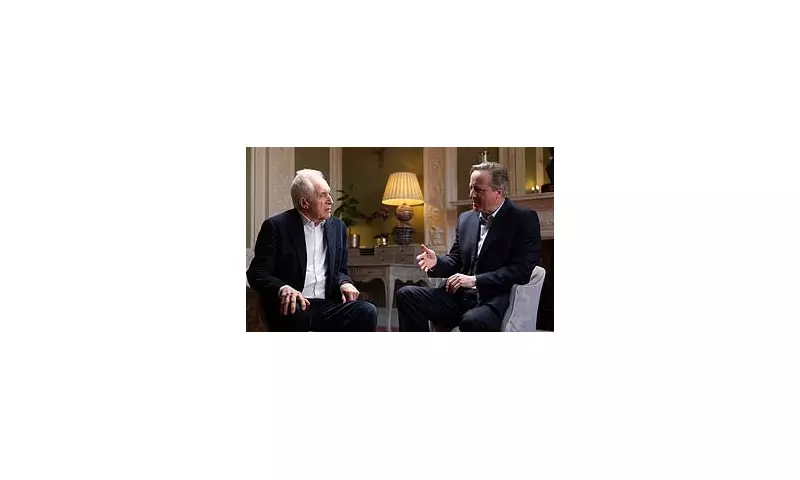
Dimbleby also revealed a personal sensitivity during a discussion with former BBC director general Greg Dyke. He recalled a critic once labelling his father, Richard Dimbleby—the voice of the 1953 Coronation—as 'the high priest of the monarchy cult'. Clearly still rankled, Dimbleby demanded to know if this was a fair description of both his father and the BBC itself.
Ultimately, the episode, subtitled 'Survival', presented a relentlessly critical view of the monarchy as privileged, out of touch, and potentially obsolete. But in its own selective editing and apparent double standards, the documentary inadvertently prompted a pointed question: in an era of curated narratives, what is the BBC's own purpose and accountability?