The BBC is facing a significant backlash from viewers and prominent figures over its coverage of the ongoing, deadly protests in Iran, following a blunder-strewn report on its flagship News at Ten programme.
Report Marred by Embarrassing Errors
The report, which aired on Friday evening as protests swept Iran for a 13th consecutive day, was criticised for a series of unprofessional editing mistakes. Viewers heard diplomatic correspondent Caroline Hawley say, "Sorry, I'll take that again," before restarting a line about economic protests spiralling into a political challenge. Later, she was heard muttering, "One more little bit..." while footage played.
Further errors included loud crowd noise from protesters accidentally cutting over audio of US President Donald Trump speaking. Social media users condemned the poor production, with one stating the report looked "thrown together" and was disrespectful to both the audience and the serious subject matter.

Controversial Tone and Khamenei Focus
Beyond the technical faults, the report's editorial tone drew sharp rebuke. It featured a 30-second statement from Iran's Supreme Leader, Ayatollah Ali Khamenei, in which he labelled the protesters "vandals" who sought only to "please" President Trump. The footage described Khamenei as "characteristically uncompromising."
This approach ignited fury, with critics accusing the BBC of giving undue platform to the regime's narrative amid a brutal crackdown. Actor John Cleese described the coverage as "shameful" on social media, questioning the editorial decision to quote Khamenei's characterisation of the demonstrators.
Protests Pose Major Threat to Regime
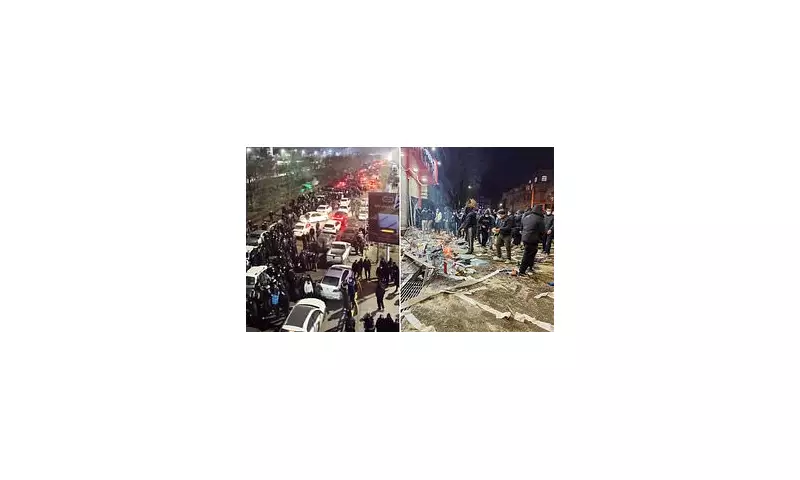
The report came amid mounting scrutiny of the BBC's overall handling of the Iran story, with accusations it had not given the uprising sufficient attention. The protests, which began in Tehran over dire economic conditions, have now spread to more than 30 towns and cities across all 31 of Iran's provinces.
Human rights activists report the death toll has risen to at least 62, with over 2,300 people detained. The movement, marked by a severe crackdown from the Islamic Revolutionary Guard Corps, represents the most serious challenge to the Islamic Republic in years.
Complicating coverage, Iranian authorities have imposed a nationwide internet blackout lasting more than 36 hours, severely hindering the monitoring of events on the ground.
International Reactions and Regime Response
Internationally, the situation has drawn comment. US President Donald Trump stated Iran's leaders looked to be "in big trouble," while the foreign ministers of Australia, Canada, and the European Union jointly condemned Tehran's use of excessive force.
In his first comments on the protests since January 3, Khamenei doubled down, calling demonstrators "saboteurs" and predicting Trump would be "overthrown." Iranian officials have accused the US and Israel of trying to incite violence, a claim dismissed as "delusional" by a US State Department spokesperson.
The BBC has been contacted for comment regarding the criticised report and the broader allegations about its coverage.