In the latest episode of Channel 5's documentary series China with Ben Fogle, the intrepid presenter delves into what might be the future of entertainment - or its most baffling iteration. While many complain about the quality of Western television, China's emerging "microdrama" format could make shows like The Apprentice and Celebs Go Dating appear as sophisticated high art by comparison.
The Microdrama Revolution
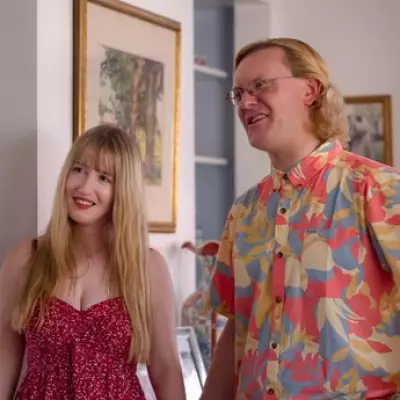
The nation that brought the world TikTok's viral dance crazes is now pioneering an entirely new form of storytelling. Microdramas are soap operas served in remarkably brief installments - typically 50 to 100 episodes, with each episode lasting no more than two minutes. Designed specifically for consumption on smartphone screens, these productions feature crowded, static scenes where characters stand uncomfortably close, acting out superheated emotions with every episode concluding on a dramatic cliffhanger.
Subtlety is entirely absent from this format, replaced by performances that can only be described as relentless over-acting. As Ben Fogle discovered during his visit to the Hengdian World Studios south of Shanghai, the experience can be overwhelming. "I have an exceptionally high tolerance level for television drivel," he noted, "but half a dozen doses of microdrama would send me howling over the edge."

Fogle's Foray into Microdrama Stardom
The documentary captured Fogle's attempt at microdrama acting, complete with a long black wig superglued to his head as he transformed into an ancient warrior. His character's mission followed the classic formula: defeat the villain and rescue the damsel in distress. "Leave the girl alone!" roared Fogle, wagging his finger dramatically at the scoundrel before engaging in a choreographed brawl that saw a henchman sent flying with a single sword block.
What remains mysterious is the narrative context - who was this girl, and how did she fall into the villain's clutches? Microdrama, as Fogle discovered, has no time for Oscar-bothering concerns like character development or coherent storytelling. The format prioritizes immediate, visceral impact over traditional narrative structure.
Staggering Popularity Meets Cultural Contrast
The popularity of this format is undeniable. Chinese audiences have streamed an astonishing six billion microdrama episodes over the past two years alone, suggesting this might indeed represent the future of mass entertainment. Yet Fogle found himself equally drawn to China's traditional arts, which face a very different reality.
In a poignant scene, Fogle visited a makeshift opera theatre on the sixth floor of a Shanghai office block where the cast significantly outnumbered the audience. Performers aged 50 to 90, unable to sell tickets, encouraged spectators to offer tips mid-performance. The atmosphere was thick with cigarette smoke as attendees chain-smoked and shared cigarettes, creating what Fogle described as a "fug" he was anxious to escape despite praising the performance itself.
Work Over Leisure and The Shadow of Censorship
Unlike many travel presenters who focus on local entertainment, Fogle demonstrated greater interest in how people earn their living. He joined an electric moped delivery driver navigating Shanghai's downpours to shuttle 300 parcels around the city, finding more comfort in this practical experience than in the artificial world of microdrama.
Throughout his journey, Fogle couldn't escape the pervasive shadow of state censorship. Chinese smartphones consistently refused to provide answers to certain questions, prompting his observation of "AI with built-in ideology." At the film studios, when he asked an actor about unsuitable subjects for microdramas, the man gulped nervously, his face blanching before uttering a single word: "Politics." This moment crystallized the tension between China's booming entertainment industry and the ideological constraints that shape its content.
China with Ben Fogle ultimately presents a nation of fascinating contrasts - where ancient traditions struggle for survival alongside bizarre new entertainment formats, all under the watchful eye of state control.