Bridgerton's Glaring Lady Whistledown Plot Hole Demands Resolution
Dearest Gentle Reader, the highly anticipated return of Bridgerton is upon us, yet a significant narrative inconsistency looms large over the series. While the first part of season four has been hailed as the show's pinnacle, a critical plot hole involving Penelope Featherington's alter ego, Lady Whistledown, threatens to undermine character arcs and future developments.
The Villainous Turn of Penelope Featherington
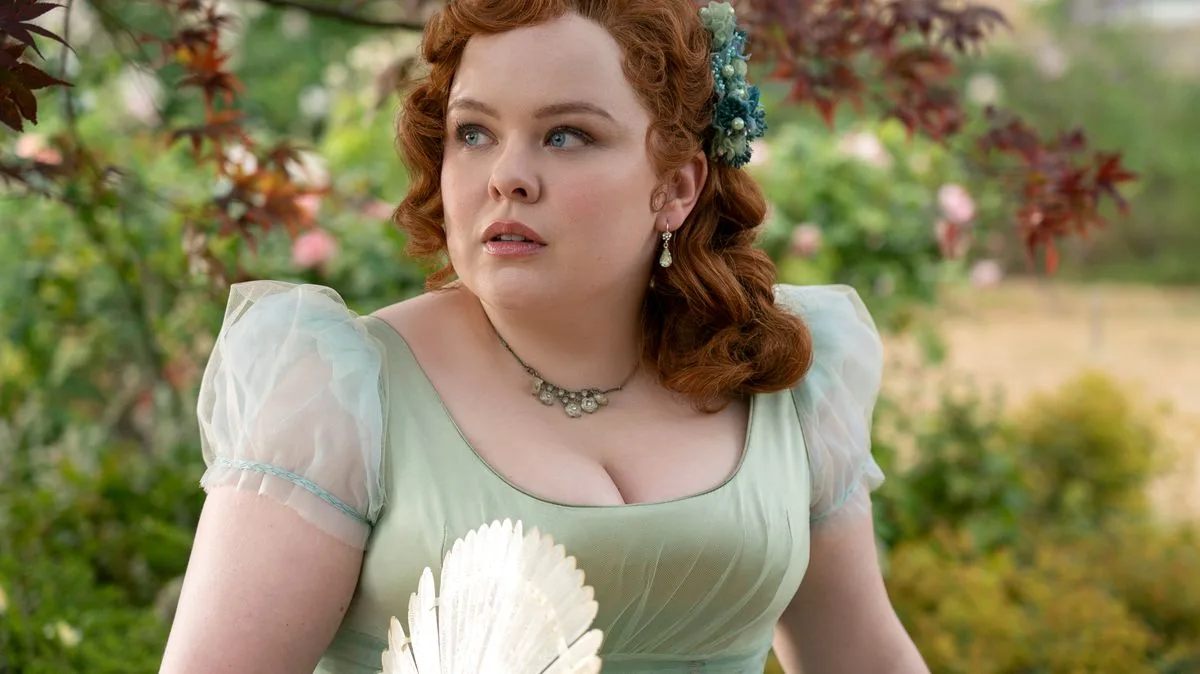
Netflix's portrayal of Penelope Featherington, played by Nicola Coughlan, has taken a contentious turn, positioning her as an inadvertent antagonist. This shift contradicts the show's earlier efforts in season three to frame Penelope as a heroic figure—celebrating her independence, bravery, and allure. However, the series has neglected to reconcile this with her past actions as Lady Whistledown, particularly her devastating impact on Marina Thompson in season one.
Before Penelope's secret identity was revealed, Lady Whistledown publicly exposed Marina Thompson's pregnancy, a move that irrevocably ruined Marina's life. Marina, portrayed by Ruby Barker, was a vulnerable cousin of the Featheringtons with limited resources, relying on a marriage to Colin Bridgerton to avoid societal ruin. The exposure forced her into a desperate situation, including a risky home abortion and a coerced marriage.
The Unpunished Consequences of Penelope's Actions
What makes this plot hole particularly egregious is that Penelope, as Marina's wealthier cousin and friend, faced no repercussions for her role in Marina's downfall. Instead, she was rewarded by ultimately marrying Colin Bridgerton. This lack of accountability starkly contrasts with the show's exploration of class divides and the precarious position of women in Regency-era society, themes that heighten the horror of Penelope's actions.
As Bridgerton progresses, this oversight becomes increasingly problematic. If season five focuses on Eloise Bridgerton, as hinted by the source material, Marina's storyline becomes crucial. In Julia Quinn's novel To Sir Phillip With Love, Marina Crane née Thompson is depicted as deeply unhappy in her marriage to Phillip Crane, leading to her tragic suicide by drowning. Fan interpretations suggest that Phillip's treatment of Marina included non-consensual acts, underscoring the grim realities faced by women without rights during that era.
The Need for Redemption and Narrative Closure
The show's adaptation introduced a direct link between Penelope and Marina, a deviation from the books where they never interacted. This change means Penelope's actions as Lady Whistledown indirectly contribute to Marina's death, placing blood on her hands. For Penelope to exit the realm of villains and achieve redemption, Bridgerton must address this plot hole. Television forgiveness typically hinges on characters facing consequences and seeking atonement, yet Penelope has evaded both.
Addressing this issue is not only vital for character integrity but also for honoring the struggles of Regency-era women, who faced legal and social oppression. Without resolution, Penelope's arc risks feeling hollow and unresolved, potentially alienating viewers invested in her journey. As the series barrels toward future seasons, resolving this plot hole could spark compelling narrative developments, perhaps even capturing the attention of characters like Queen Charlotte.
In summary, Bridgerton stands at a crossroads where it must confront its own creation. By tackling the Lady Whistledown plot hole, the show can ensure Penelope's redemption feels earned and maintain the emotional depth that has captivated audiences worldwide.