Why Calamity Jane Endures as a Queer Cult Classic and Feelgood Film
In the mid-20th century, American cinema experienced a notable trend of gunslinging heroines, from Gene Tierney in Belle Starr to Betty Hutton in Annie Get Your Gun. However, Doris Day’s portrayal in the 1953 musical western Calamity Jane threw audiences a curveball, presenting a rule-defying heroine who dressed, wise-cracked, and swaggered like a man, alongside baritone sidekick Howard Keel.
Initial Skepticism and Lasting Appeal
Upon first viewing at age nine, the film’s bizarreness—from its pseudo-biopic synopsis to grating musical numbers—did not immediately win over this writer. The New York Times aptly deemed it "shrill and preposterous." Part crooning romcom and part frontier drama, Calamity Jane is a strange beast, but its unique charm soon proved irresistible.
Set in the 1870s in Deadwood, Dakota, the story follows Calamity Jane as she gallops home, squawking the infectious refrain "whip crack-away" and introducing the town’s denizens. With a hot head and big mouth, she promises to bring vaudevillian Adelaid Adams from Chicago to impress her pals, leading to chaotic escapades.

Regressive Elements and Progressive Revelations
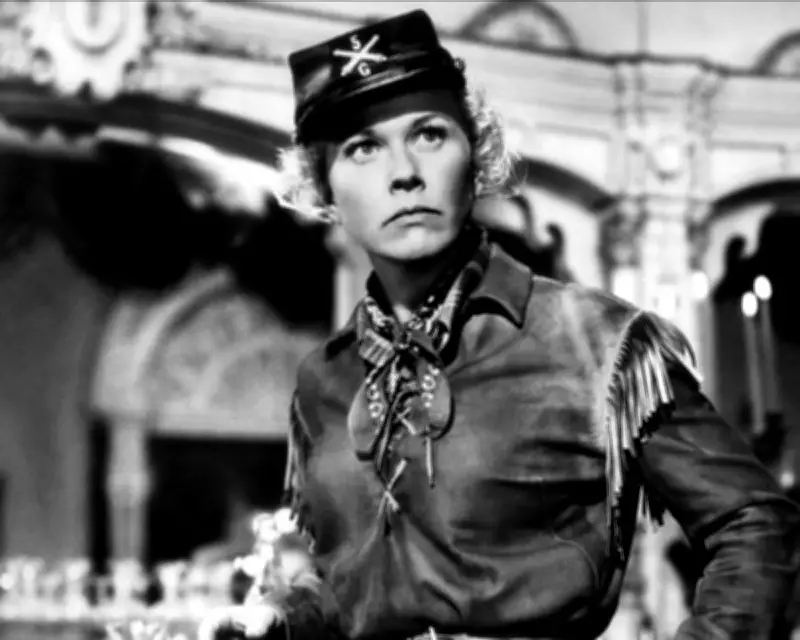
While the storyline exhibits regressive sexist attitudes and glosses over the colonial violence of the real-life Martha Jane Canary, Doris Day’s performance was a revelation for tomboys growing up in the early noughties. Day, previously known for rosy-cheeked romantic leads, transforms into a feisty, chin-jutting alpha—unapologetically ballsy, scrappy, and even smelly.
Calamity fires her pistol into the heavens to make a point and delivers whip-smart lines like, "This town ain’t big enough for the both of us, not for that frilled-up, flirtin’, man-rustlin’ petticoat it ain’t." Unlike most female characters of the era, she was not confined to hot-pants or passive roles, offering a rare cinematic female hero.
Unintentional Queerness and Cultural Reclamation
Director David Butler’s campy, rollicking flick was, probably unintentionally, among the queerest Hollywood releases of its time. It opens with what is essentially a drag show and features Calamity shackling up with Katie Brown in a kitschy, chintzy queer cottage of dreams. Many interpret Jane as a lesbian, though the plot introduces a bisexual love triangle with Lieutenant Danny Gilmartin.
The film’s true appeal lies in the breezy, trouble-free world this gender-non-conforming character inhabits. Calamity’s masc wardrobe turns heads, but she remains indifferent, providing a guileless escape for viewers. Secret Love, the musical’s top-line track, has been called the first gay anthem by Out Magazine, with lyrics like "now, I shout it from the highest hills" resonating as a coming-out song, albeit about Wild Bill.
Enduring Joy and Availability
Despite societal pressures that eventually see Calamity settle, the film’s reclamation into queer culture adds to its unalloyed joy. While Day’s shrill "no, siree!" may echo in one’s head, it’s a small price for this feelgood experience. Calamity Jane is available to rent digitally in the US and UK and on HBO Max in Australia, ensuring its legacy continues to inspire and comfort audiences.