Martin Clunes Elevates Channel 5's Controversial Huw Edwards Drama
Channel 5's new one-off drama Power: The Downfall of Huw Edwards arrives amidst a wave of ripped-from-the-headlines programming, tackling the sordid saga of Britain's most infamous disgraced newscaster. Starring Martin Clunes in the title role, this lurid production attempts to balance entertainment with the grim realities of a recent news story that remains legally and emotionally unresolved.
A Performance That Outshines Its Material
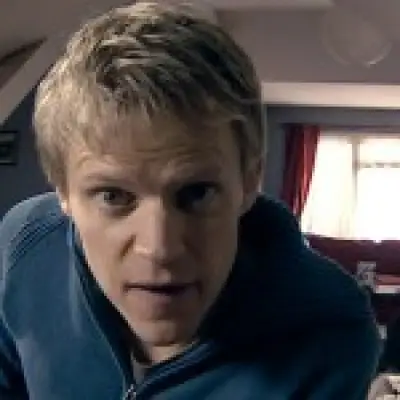
Martin Clunes delivers a remarkably committed performance as Huw Edwards, bringing unexpected gravitas to a role that requires navigating murky moral waters. Clunes masterfully captures Edwards's mannerisms, from the precise furrowing of his brow to the Welsh-accented authority that made him a television fixture. His portrayal goes beyond imitation, injecting psychological complexity into a character defined by predatory behavior and emotional volatility.
Despite Clunes's efforts, Power struggles to transcend its tabloid origins. The drama functions primarily as a dramatic recitation of established facts rather than offering new insight. Legal constraints appear to have limited the production's ability to explore deeper themes, resulting in a narrative that feels both rushed and incomplete.
The Disturbing Reality Behind the Drama
The film meticulously reconstructs the scandal's key elements based on court evidence and interviews with Sun journalists who originally broke the story. Central to the plot is Edwards's relationship with a teenager identified as Ryan (played by Osian Morgan), to whom he paid £35,000 for sexual images and videos.
The drama depicts several unsettling dynamics:
- Edwards's aggressive mentorship of a confused teenager, alternating between generosity and cruelty
- His explosive temper when questioned about his sexuality or authority
- The involvement of another teenager, Alex Williams, who facilitated the exchange of abusive material
- The legal proceedings that followed the scandal's exposure
These elements create a tonal inconsistency that plagues the production. The serious subject matter—involving the exchange of child sexual abuse images—clashes awkwardly with moments seemingly designed for shock value or dark humor.
Ethical Questions and Unresolved Narratives
Edwards himself has publicly criticized the drama, questioning its legality and fairness while claiming insufficient opportunity to respond to its portrayal. In a statement, he expressed sorrow for his involvement with Williams but notably omitted similar remorse regarding the teenager identified as Ryan in the film.
Channel 5 has defended the production, stating it was created in compliance with Ofcom's broadcasting code and based on extensive research including interviews with the victim, his family, and journalists involved in the original reporting. A caption at the program's conclusion notes that Edwards declined to participate, though he claims otherwise.
This back-and-forth highlights the fundamental problem with Power: it presents a story that feels unfinished and ethically questionable. The drama sifts through publicly available information without providing meaningful context or analysis, leaving viewers with little beyond sensationalized reenactments of disturbing events.
Questionable Entertainment Value
Ultimately, Power raises important questions about the purpose of such dramatizations. While Clunes's performance demonstrates remarkable commitment, the production itself offers limited insight beyond what newspaper readers already know. The drama seems designed primarily to provoke reactions of shock and disgust rather than foster understanding or reflection.
As television continues to mine recent scandals for dramatic content, Power: The Downfall of Huw Edwards serves as a cautionary example of how difficult it can be to balance entertainment value with responsible storytelling, particularly when dealing with sensitive subject matter that remains legally and emotionally unresolved.